


Why More Contractors Are Looking for One Vendor Instead of Five
June 30, 2026

If you've spent any time on a busy jobsite, you know that getting everything coordinated is half the battle.
Most delays don't happen because a crew doesn't know what they're doing. They happen because the moving parts just aren't syncing up. One guy is waiting on another. A piece of equipment shows up two hours late. Materials get moved around. Suddenly, your phone is blowing up trying to track down three different vendors.
That’s exactly why we’re seeing more contractors ditch the headache of managing five separate companies and look for one solid partner instead.
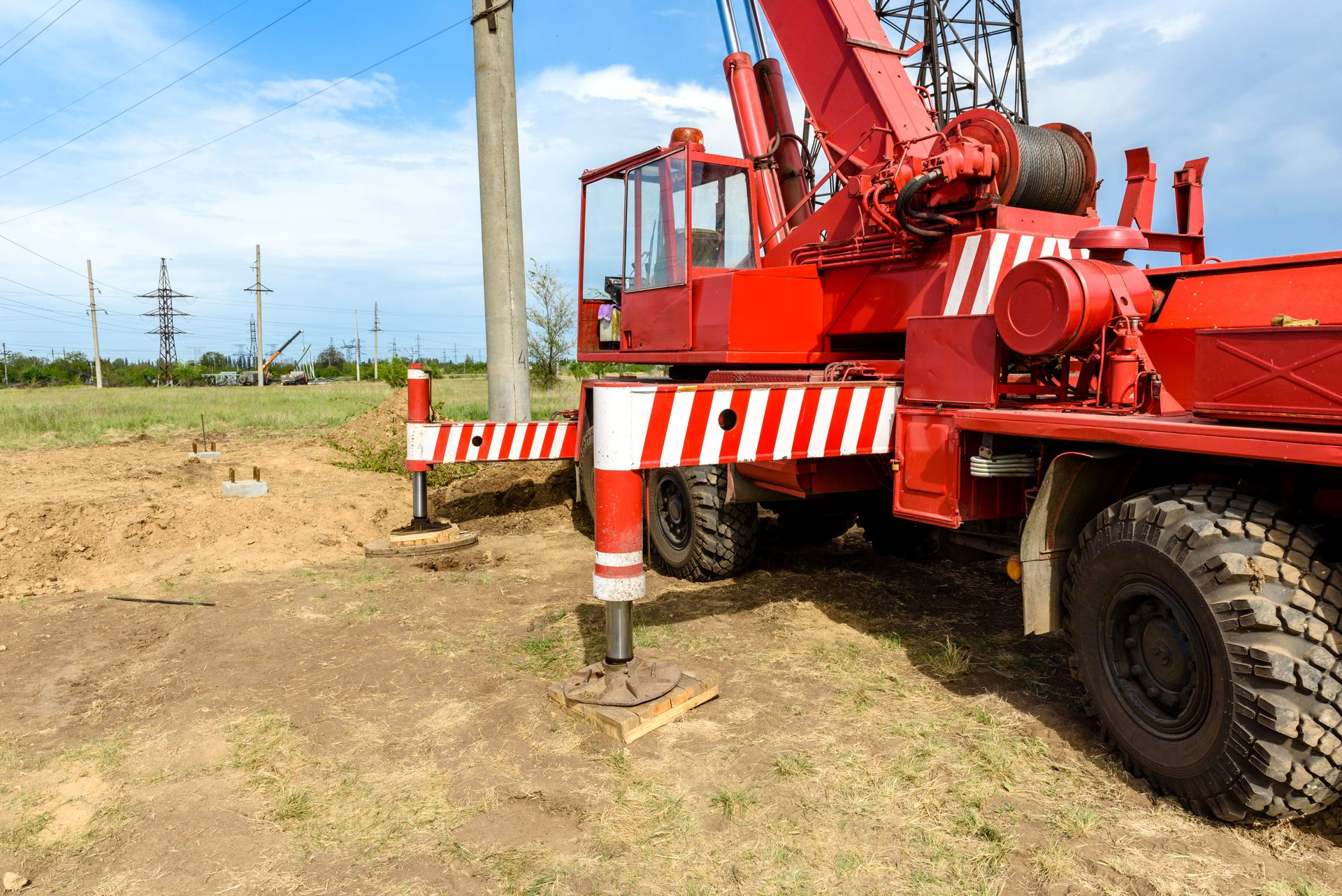
Here at Veteran Crane, folks usually call us first just to get a crane on site. But pretty quickly, that turns into asking us to handle the rigging, trucking, renting some extra equipment, or hauling away the trash. Why? Because it just makes their life easier. And honestly, at the end of the day, people just want fewer headaches and guys who actually show up and follow through.
The Problem With Managing Too Many Vendors
Industrial and energy jobs are complicated enough as it is. You're already juggling:
- General contractors
- Utility companies
- Inspectors
- Material deliveries
- Specialized trades
- Last-minute schedule changes
- Strict safety requirements
Throwing a handful of disconnected vendors into that mix is just asking for trouble.

Common Issues We See on Jobsites
Communication Gaps
When you've got too many cooks in the kitchen, information gets lost. One vendor thinks the schedule shifted. Another guy never got the memo. A truck shows up with materials before the site is prepped for it. Next thing you know, everyone is standing around on the clock waiting.
Scheduling Conflicts
Timing is everything when it comes to crane work, trucking, and rigging. If you split those jobs across three different companies, keeping them all on the same page is tough. Just a small delay from one guy can create a domino effect that wrecks the rest of your day's schedule.
Finger Pointing Instead of Problem Solving
If you’ve been in this industry long enough, you know the drill. The second something goes sideways, the blame game starts:
- The trucking guy blames the site conditions.
- The rental yard blames the schedule.
- Another sub complains about access.
Meanwhile, there you are—the project manager—stuck in the middle trying to put out the fires.
Why Contractors Prefer Fewer Vendors
It really just comes down to keeping things simple.
When one company handles a few different parts of the job, communication is direct and problems get solved, not passed along. We aren't saying one company needs to do everything on site—you still need your specialized trades and licensed pros. But having one reliable point of contact for the heavy lifting and logistics makes a massive difference on a messy job.
What This Looks Like in the Real World
On a standard industrial or renewable energy site, your daily support needs usually look something like this:
- Getting an operated crane out there
- Qualified rigging
- Trucking and hauling
- Renting extra equipment
- Staging materials
- Hauling off trash and debris
- Managing jobsite logistics
Instead of making eight different phone calls to set all that up, you just make one. You get a team that already knows the site and understands the goal. That usually means:
- People respond faster
- A lot less sitting around waiting
- Hardly any scheduling conflicts
- Real accountability when things get tough
- A project that actually flows the way it's supposed to

Why This Matters on Renewable Energy and Industrial Projects
Sites like solar fields, substations, battery storage sites, and big manufacturing plants move fast.
The schedule changes constantly. It rains and the site turns to mud. Access roads are a tight squeeze, and trucks show up early or late. On jobs like these, being flexible is just as important as having good equipment. That’s why contractors prefer working with a team that can roll with the punches, rather than having to call five different dispatchers to explain a change in plans.
What Does “Full-Service Support” Actually Mean?
Sometimes people hear "full-service support" and think it means one giant company takes over the whole site. That’s not how real construction works.
What it actually means is having a trusted partner who can handle the heavy logistics so your specialized trades can actually do their jobs.
For example:
- You need a crane to drop in some equipment.
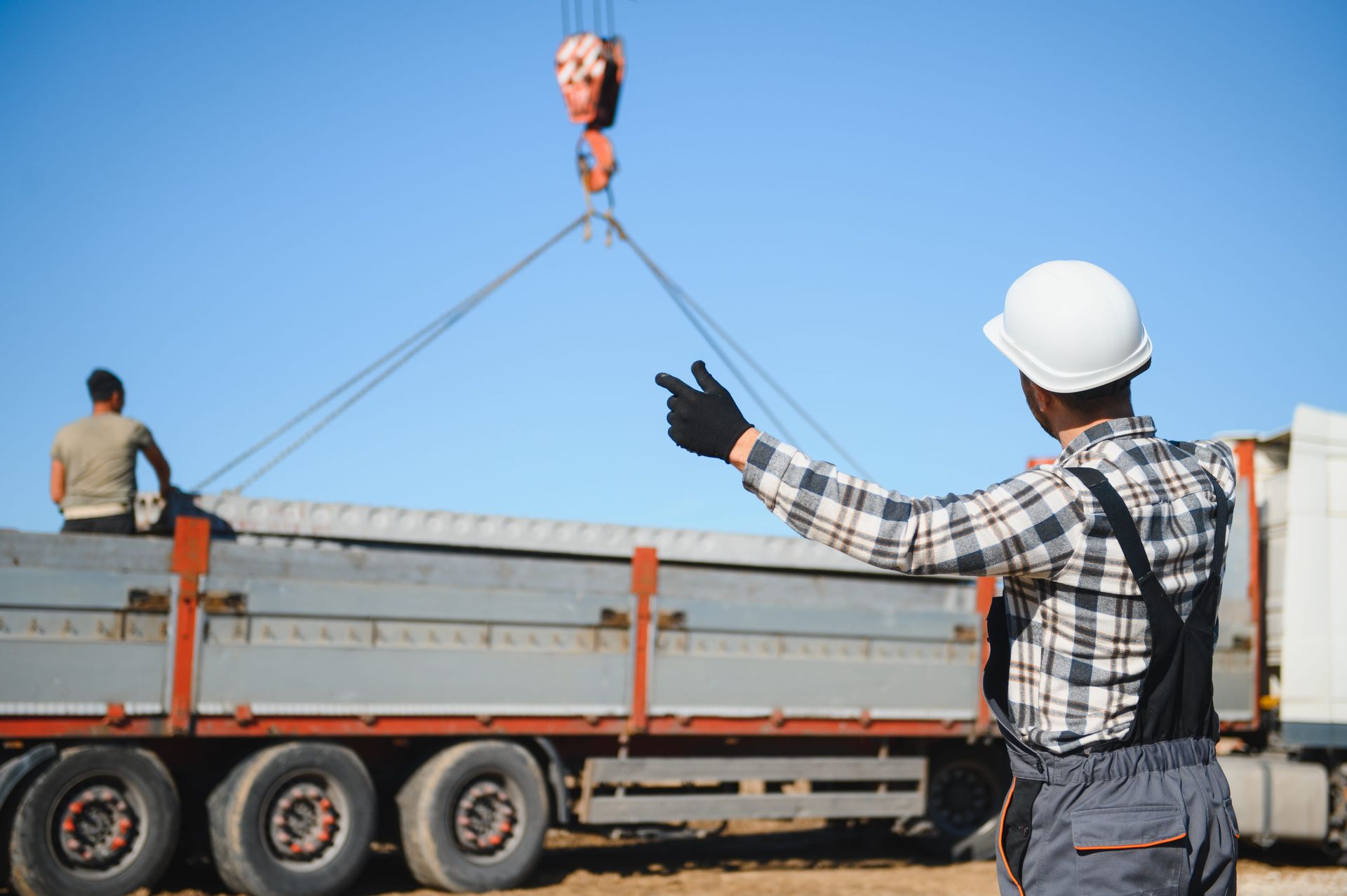
- The riggers need to be ready at the exact same time.
- Trucks need to get in and out without blocking the road.
- Rental gear needs to be dropped off in stages.
- All the packaging and trash needs to get hauled away at the end.
When one crew coordinates all of that together, everything just runs smoother.
A Simple Checklist Before Bringing Vendors Onto a Jobsite
Before you break ground, it pays to ask a few practical questions:
- Who is actually managing the schedule between all these vendors?
- When the timeline inevitably changes, who handles adjusting everyone?
- Are the trucks, cranes, and riggers talking to each other?
- Do I have just one clear guy I can call when I need an answer?
- If the site conditions change, how fast can everyone pivot?
- Who is cleaning up the mess and handling the materials?
- Did anyone actually plan out the access routes for the heavy equipment?
Nailing down even half of these before day one will save you a massive headache later.
Relationships Still Matter in Construction
At its core, construction is still about relationships. People remember:
- Who actually picked up the phone.
- Who showed up when they promised they would.
- Who fixed the problem instead of complaining about it.
- Who kept their cool and kept the job moving.
That’s exactly why the best contractors eventually stop chasing the cheapest possible bid for every single task and start building long-term partnerships. At the end of the day, project managers don't just want iron on the site; they want dependable people who make a tough job a little easier.
And around here, we still believe that's how business should be done.
Veteran Crane provides operated crane rental, qualified rigging, equipment rental, trucking and hauling, debris removal, and project support for industrial and renewable energy projects throughout the region. We're a place where handshakes and relationships still matter.

Frequently Asked Questions
What exactly does "full-service jobsite support" mean?
It doesn't mean we take over the whole site or replace your specialized trades! It simply means we act as your single point of contact for the heavy lifting and logistics. We can coordinate the crane rental, rigging, trucking, and equipment staging all together under one umbrella. This way, your crew can focus on getting the actual work done instead of managing five different dispatchers.
Isn't it cheaper to just get separate bids for cranes, trucking, and rigging?
It might look cheaper on paper, but splitting those jobs across multiple companies usually leads to communication gaps, equipment arriving late, and costly downtime. When one vendor drops the ball, the whole site waits. Having one team manage the logistics eliminates the "blame game" and keeps your project moving smoothly, which almost always saves you time, money, and headaches in the long run.
What kind of jobsite services can Veteran Crane actually handle?
We specialize in keeping complex industrial and renewable energy projects moving. Instead of making multiple phone calls, you can call us to handle operated crane rentals, qualified rigging, trucking and hauling, equipment rentals, material staging, and even hauling off the trash and debris when the job is completely done.
Request a Quote
Contact Veteran Crane Construction today to get a custom quote for your project.
Stay Ahead on Every Jobsite
Get updates on crane availability, project tips, and time-saving tools—straight to your inbox.
Contact Us
We will get back to you as soon as possible.
Please try again later.
SHARE THIS
Latest Posts