Battery storage work looks straightforward from the outside—units show up, cranes set them, crews move on.
That’s not how it plays out in the field.
Projects like a
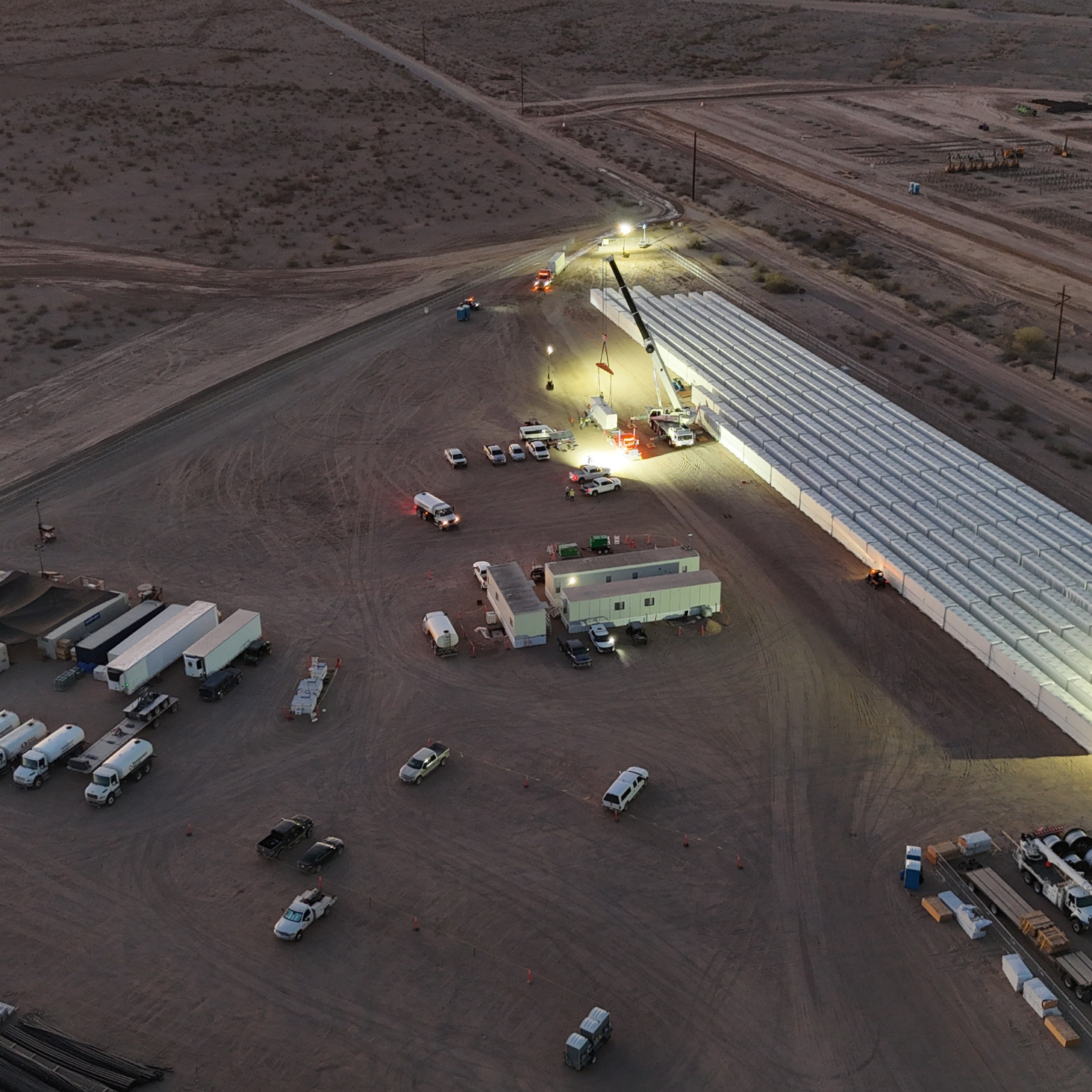
100 MW Battery Energy Storage System (BESS) Installation
and Unloading 594 Tesla Megapacks expose the same truth: the lift is only a small part of what determines whether a job runs smoothly or falls apart.
Two Projects. Same Pressure. Different Scale.
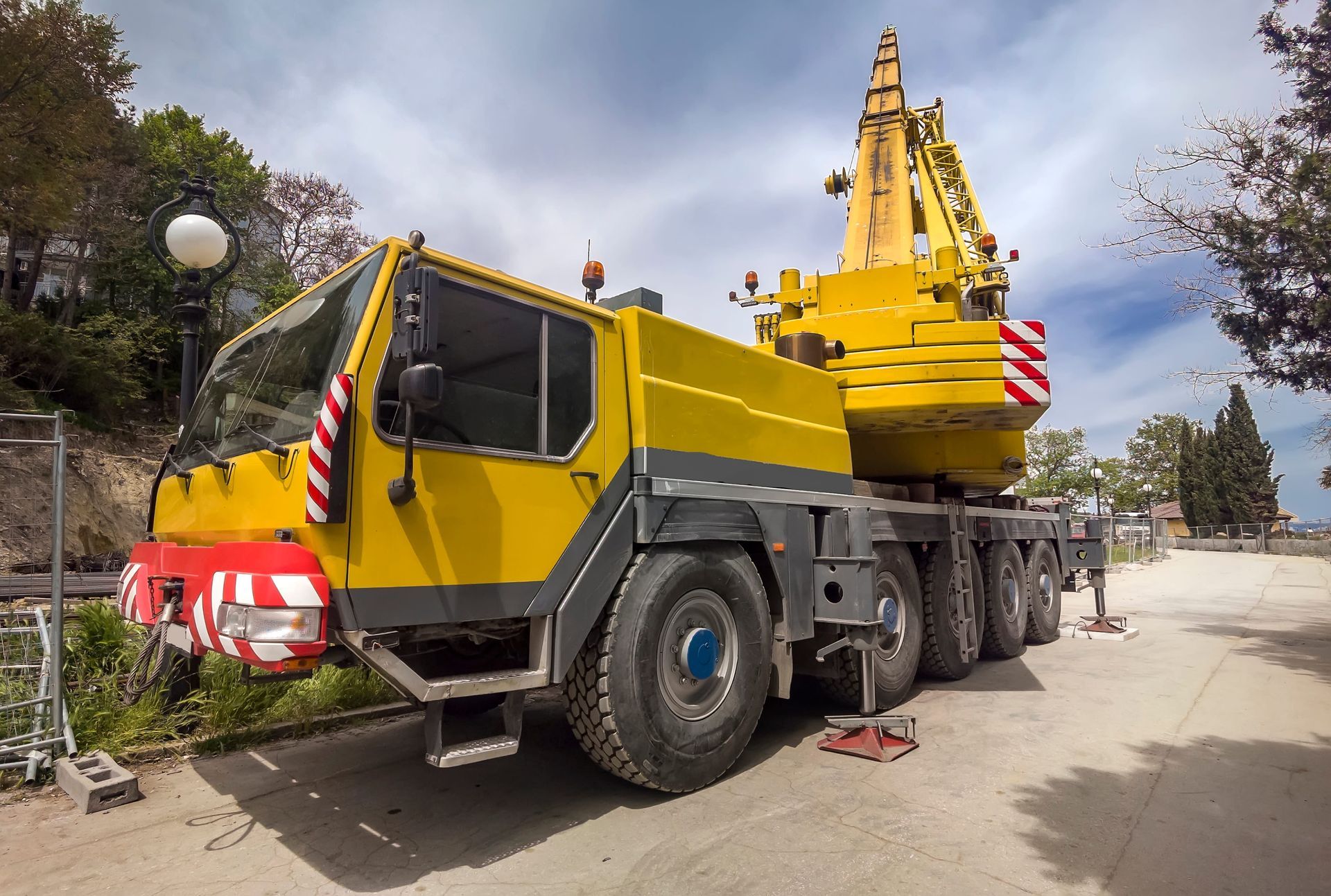
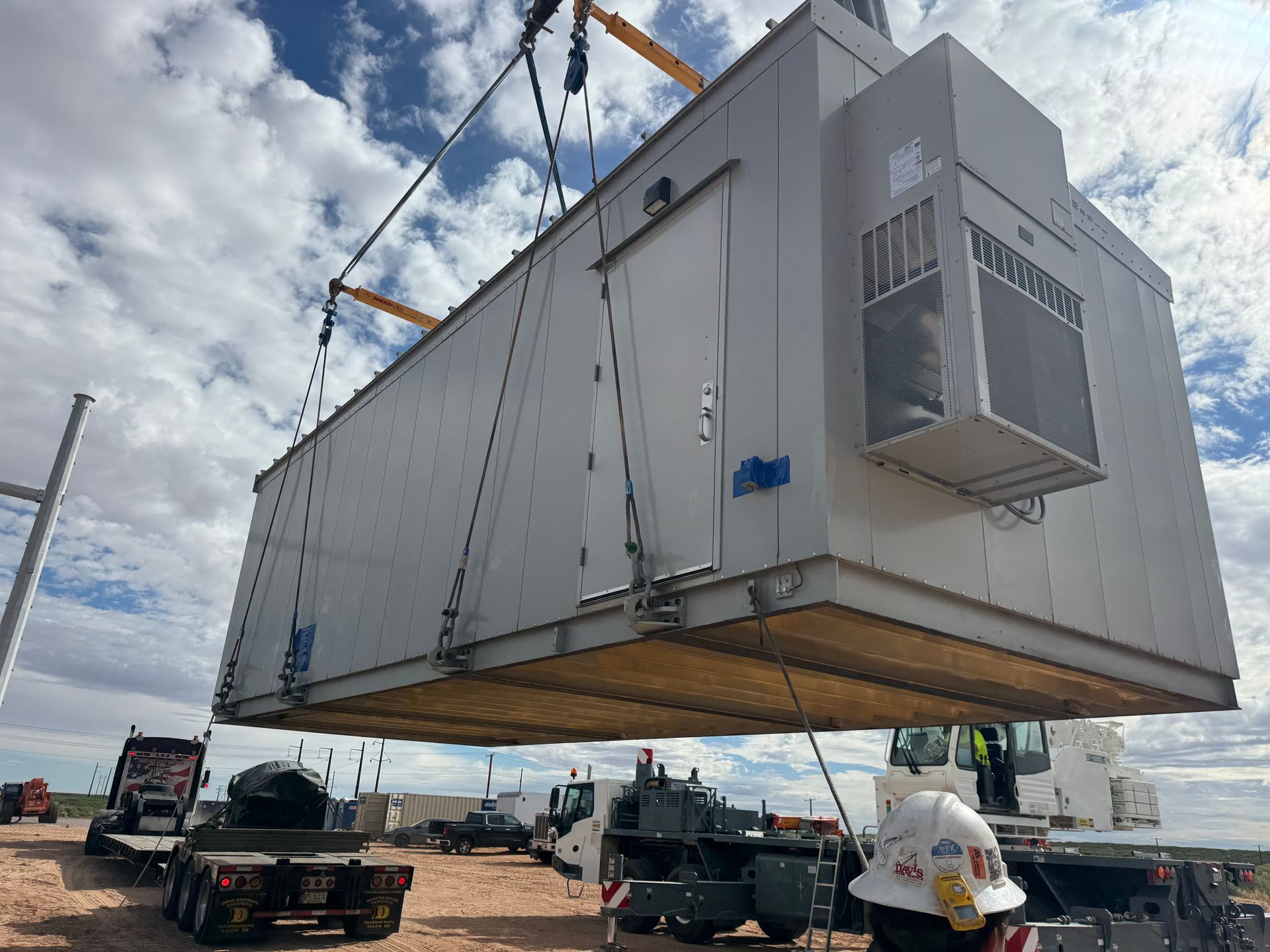
In Eloy, the work centered around precision. A 330-ton crawler crane was used to place battery units in tight, controlled conditions. Every pick required coordination between delivery, rigging, and install crews, with very little room for error.
In Tonopah, the challenge shifted from precision to volume. Nearly 600 Tesla Megapack units moved through one site, creating constant trucking cycles, repetitive lifts, and ongoing pressure on staging and logistics. The pace stayed high, and consistency became critical.
Different conditions, different challenges—but the same underlying pressure: keep the job moving without creating delays downstream.
What These Jobs Have in Common (That Most People Miss)
The bottleneck is almost never the crane. On both projects, the equipment was more than capable.
What actually controlled the schedule came down to truck timing, site access, staging space, and how well crews were coordinated. When one piece slipped, everything slowed down.
Repetition doesn’t make the work easier—it raises the stakes. On large-scale jobs, small inefficiencies don’t stay small. A minor delay repeated across dozens or hundreds of picks quickly turns into a real schedule issue. Staying consistent requires discipline, not shortcuts.
This is where
Rigging 101 becomes critical—because small rigging inefficiencies compound quickly at scale.
No plan survives the field exactly as written. Ground conditions shift, deliveries don’t always line up perfectly, and other trades impact access.
That’s why
the real cost of poor lift planning shows up fast on jobs like these—issues don’t stay theoretical, they impact the schedule immediately.
The teams that keep jobs on track aren’t the ones with perfect plans—they’re the ones that can adjust in real time without losing momentum.
Scope tends to expand when problems get solved. On both projects, gaps showed up. When someone steps in to handle those gaps—whether it’s rigging, trucking, or general jobsite support—the job stabilizes. When no one does, delays start stacking up.
The Bigger Shift: Battery Storage Is Changing Jobsite Expectations
Projects like these are becoming more common, and they’re raising the bar across the board.
There’s more material moving through tighter timelines. There’s less tolerance for downtime. And there’s a growing need for coordination across multiple scopes at once.
This is exactly what’s explored in our blog post:
What It Really Takes to Support a Solar Field Build: Behind the Scenes with Crane & Rigging Services—the work isn’t just about lifting, it’s about keeping the entire operation moving.
The traditional model—separate vendors handling separate pieces—starts to break down under that kind of pressure.
What We’ve Learned (And What We Bring to Every Job)
Working across both types of projects makes a few things clear.
The lift is just one part of a much bigger system. Logistics and coordination are what actually drive the schedule. Repetitive work requires just as much focus as complex lifts. And the jobs run best when someone takes ownership beyond their original scope.
That’s typically where we operate—right in the middle of the moving parts, making sure things stay aligned and the job keeps moving.
If you look at Why Veteran Crane Construction Is the Go-To Partner for Industrial Projects, it comes down to one thing: fewer handoffs, more accountability.
Battery storage projects don’t leave much room for missteps. They require planning, but more importantly, they require people who can adjust, solve problems, and follow through.
That’s the difference between getting through a job—and actually delivering it.