The Real Cost of Poor Lift Planning on Industrial Projects


March 5, 2026

On industrial jobsites, heavy lifts are often treated as just another scheduled task. A crane arrives, materials are lifted into place, and the project moves forward.


But experienced crews know the truth: the success of a lift is determined long before the crane ever arrives.


Poor lift planning can create delays, safety hazards, damaged equipment, and major schedule disruptions. On complex industrial and energy projects, those problems multiply quickly.


At Veteran Crane Construction, we’ve seen firsthand how proper planning turns complicated lifts into smooth, predictable operations.

Why Lift Planning Matters


Heavy lifts involve far more than just crane capacity. Every lift requires coordination between equipment, personnel, site conditions, and the project schedule.


Without proper planning, projects often run into issues like:


  • Cranes unable to access the lift location
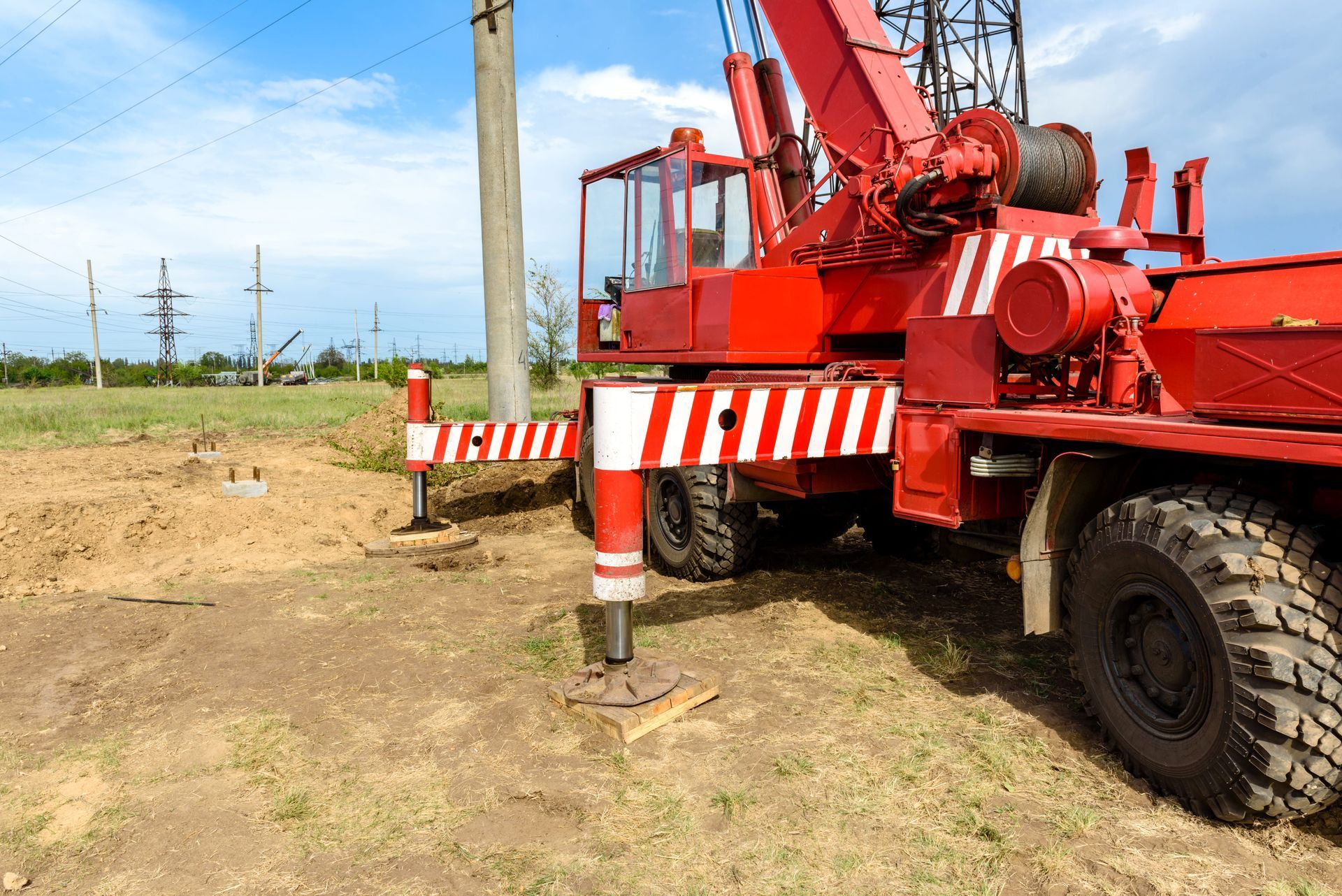
  • Insufficient ground support for crane setup
  • Improper rigging configurations
  • Conflicts with other trades working nearby
  • Delays caused by last-minute adjustments


Even small oversights can result in hours or days of lost productivity.


Proper lift planning helps prevent these problems before they start.

The Hidden Costs of Poor Planning


Many project teams focus only on the hourly cost of crane equipment. In reality, the biggest expenses come from jobsite disruptions caused by unplanned complications.


Poorly planned lifts can lead to:


Schedule Delays


If a crane arrives and the site isn’t ready, crews may spend hours preparing access routes or repositioning materials.


That delay affects not just the lift, but every trade waiting on that work to be completed.


Safety Risks


Improper lift planning increases the chances of load instability, poor communication between crews, and unsafe operating conditions.


Careful preparation dramatically reduces these risks.


Equipment Damage


Incorrect rigging or lift angles can put unexpected stress on equipment and materials, potentially leading to damage or costly replacements.


Increased Labor Costs


Every hour a lift is delayed means additional crew time, rescheduling subcontractors, and lost productivity.

Key Elements of Effective Lift Planning


Successful lifts start with clear coordination and site evaluation. Experienced crane teams typically focus on several key areas:


Site Access


The crane must be able to safely reach the lift location. That includes:


  • Clear access roads
  • Adequate turning radius
  • Sufficient space for crane setup and outriggers


Unexpected obstacles can quickly create delays.


Ground Conditions


Cranes generate significant ground pressure. If the soil isn’t properly compacted or stabilized, additional support may be required.


Planning ahead ensures the crane can operate safely and efficiently.


Material Staging


Where materials are placed on the jobsite affects lift efficiency.


Well-planned staging areas reduce unnecessary crane repositioning and keep lifts moving smoothly.


Rigging Strategy


Proper rigging ensures the load remains stable throughout the lift. This includes selecting the correct slings, attachment points, and load balance configuration.


Qualified rigging crews play a critical role in this process.


Communication and Coordination


Successful lifts require clear communication between:


  • Crane operators
  • Ground crews
  • Site supervisors
  • Other trades working nearby


Pre-lift coordination helps everyone understand their roles and avoid conflicts during the operation.

Planning Makes Complex Lifts Routine


Industrial projects often involve heavy equipment, tight access points, and strict schedules. Without careful preparation, even simple lifts can become complicated.


But when the right team is involved early in the process, complex lifts become predictable and efficient.


That’s why many project teams bring in experienced crane partners during the planning phase—not just when equipment is needed.

A Partner That Looks at the Whole Jobsite


At Veteran Crane Construction, we approach every lift as part of a larger jobsite operation.


Our team works alongside project managers, contractors, and crews to help coordinate the moving pieces that make heavy lifts successful. From crane operations and qualified rigging to equipment logistics and jobsite support, our goal is simple:


Make the lift go smoothly so the project keeps moving.


Because on complex industrial projects, experience and preparation make all the difference.

Request a Quote

Contact Veteran Crane Construction today to get a custom quote for your project.


Stay Ahead on Every Jobsite

Get updates on crane availability, project tips, and time-saving tools—straight to your inbox.

Contact Us

SHARE THIS

Latest Posts

Illustrative guide of various types of cranes, boom trucks, telehandlers, and rigging equipment with associated text.
February 24, 2026
Explore different types of cranes and jobsite equipment used in industrial and energy projects, including all-terrain, crawler, rigging, and hauling support.
Solar panels in a grassy field against a pale sky.
January 19, 2026
Discover what really goes into supporting a solar field build — from crane and rigging to full jobsite support. Veteran Crane handles the heavy lifting.
Yellow crane hook and chain suspended from a crane against a blue sky.
January 7, 2026
Discover why Veteran Crane Construction is trusted across Arizona for crane rental, rigging, project management, and jobsite support. One vendor. Every solution.
Aerial view of a desert facility with rows of rectangular containers, construction equipment, and a lighted area.
October 22, 2025
Veteran Crane completed offloading and transport of 594 Tesla Megapacks in Tonopah, AZ—84,000 lbs each—on time with 24/7 crane and rigging support.