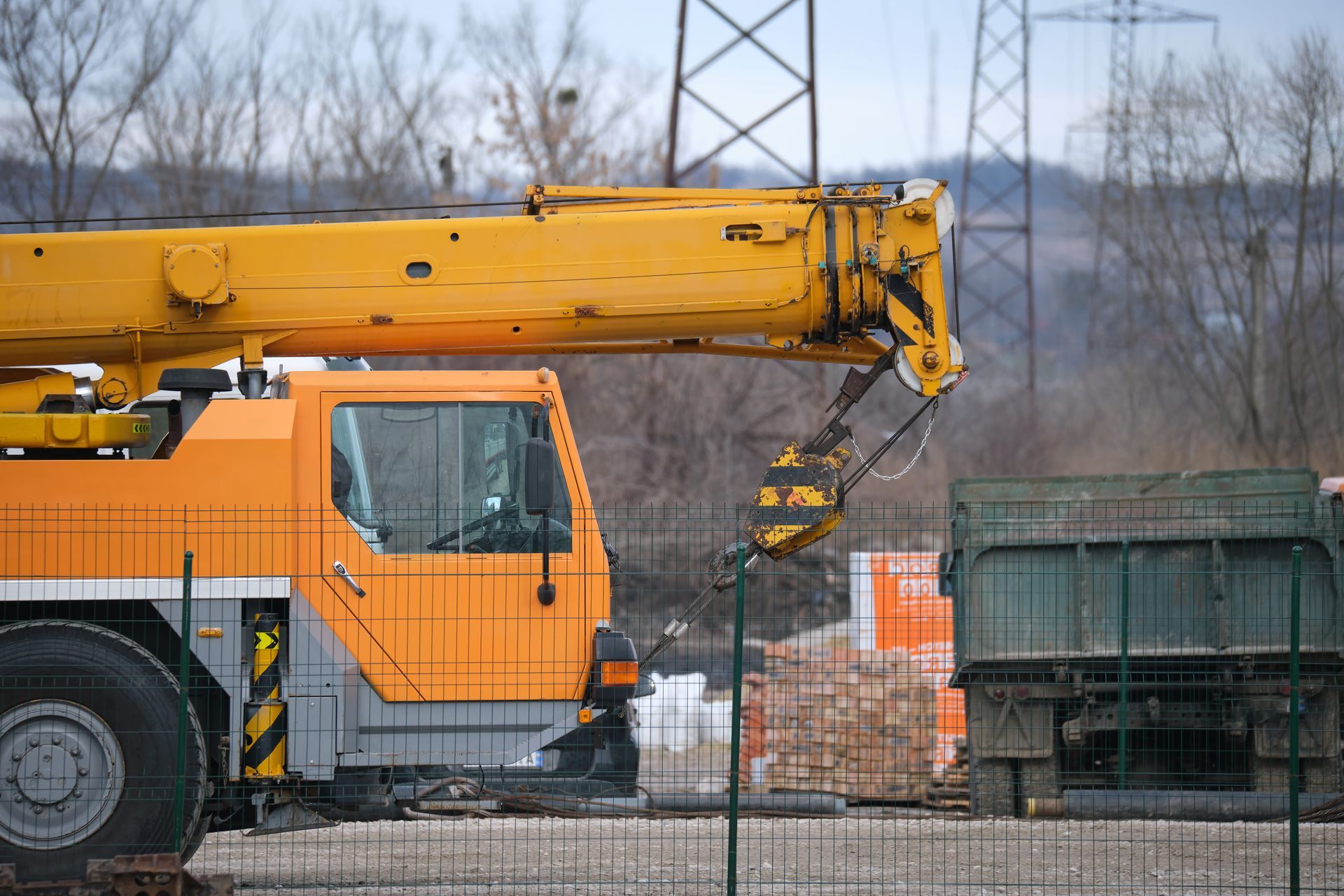
Don’t Trust the Sticker: What Actually Determines Crane Performance on the Jobsite
July 19, 2026

In the field, most crane decisions start the same way: someone looks at a load chart, finds the highest number, and assumes that’s the answer.
But experienced operators and project managers know that number only tells you what the crane can do in a perfect, controlled scenario—not what it will actually feel like on a dusty jobsite with wind, tight access, uneven ground, and a schedule that’s already behind.
And that gap between “rated capacity” and “real performance” is where most budgets quietly get burned.
Once you start looking at cranes the way field engineers do, three systems matter more than anything else: structure, hydraulics, and control. Let’s break those down in the order they actually affect your job.
1. Steel Construction: Why Weight Is a Hidden Cost Nobody Talks About
Most contractors assume heavier steel equals stronger equipment. That used to be true in a very general sense—but modern crane design doesn’t work that way anymore.
What actually matters in today’s fleet is strength-to-weight efficiency.
If the crane frame is built from standard heavy steel, it doesn’t just add durability—it adds permanent deadweight. That deadweight has to be carried everywhere the truck goes, and it directly reduces usable payload for everything else: counterweights, tools, rigging gear, or even just fuel and support equipment.
On paper, that might not sound like a big deal. In practice, it changes how many trips your crew has to make between staging and the site. It changes axle loading. It changes whether you’re running legal or forcing awkward logistics workarounds.
Higher-grade structural steel (engineered high-strength alloys) solves that by maintaining load integrity while reducing overall frame mass. The real win isn’t just lifting—it’s mobility and efficiency across the entire job cycle.
And once you start thinking in terms of total jobsite flow instead of just lifting capacity, the next bottleneck becomes obvious: how the crane actually generates and sustains power.
2. Hydraulic Systems: Where Real-World Performance Is Won or Lost
Hydraulics are where two cranes with identical “capacity ratings” can behave completely differently in the field.
A lower-cost system often relies on basic gear pump setups that only reach optimal pressure when the engine is running at higher RPMs. That creates a chain reaction on the jobsite:
- Operators have to constantly throttle up and down
- Fuel consumption spikes throughout the day
- Heat builds up in the system under continuous use
- Performance feels inconsistent under changing load conditions
And that inconsistency is what crews notice immediately. It’s not just about speed—it’s about predictability.
When hydraulics are properly engineered with more advanced pump configurations, pressure becomes more stable across a wider range of engine speeds. That means operators aren’t “chasing power” with the throttle—they’re working in a steady, controlled range.
That stability also reduces heat buildup, which matters more than most people think. Excess heat is one of the fastest ways to shorten component life, especially seals, hoses, and valve blocks.
Once hydraulics are stable, the machine feels fundamentally different. But even then, you’re still only halfway to a good system—the last layer is how the operator actually controls everything.
3. Valves and Control Systems: The Difference Between “Moving Load” and “Placing Load”
If steel determines what a crane can carry and hydraulics determine how smoothly it moves, then control systems determine how safely and precisely it can place a load.
This is where a lot of frustration on job sites actually comes from.
Older or lower-end valve systems tend to behave in a binary way—movement starts, then stops, often with a noticeable lag or surge in between. That’s what causes the “jerk” effect operators talk about, especially when swinging or booming while under load.
That jerk isn’t just annoying—it creates load instability. And load instability is where risk increases.
Proportional control valves change that entirely. Instead of a simple on/off response, they allow variable flow control based on operator input. That means multiple functions can happen simultaneously and smoothly:
- Boom up while swinging
- Extend while adjusting elevation
- Fine-tune placement without overshooting
In real terms, it turns the crane from a reactive machine into a predictable tool.
And once crews get used to that level of control, going back to a basic system feels like stepping into something that’s constantly fighting you.
That’s why experienced operators don’t just ask “what’s the capacity?”—they ask “how does it feel under load?”
4. The Real-World Checklist Contractors Should Be Using Before Choosing Equipment
Once you understand how these systems interact, equipment selection stops being about a single spec and becomes a structured decision process.
Here’s how experienced teams actually evaluate a crane before it ever shows up on a jobsite:
Step 1: Define the actual lift environment
Not just weight—radius, swing room, ground conditions, and obstructions. A 20-ton lift at 20 feet is a different machine requirement than the same lift at 60 feet.
Step 2: Review load charts at working radius
Max capacity is almost never the operating condition. Real decisions are made in the mid-range of the chart where most jobs actually live.
Step 3: Account for total system weight impact
Transport limits matter just as much as lift capacity. If the crane creates logistical bottlenecks, it slows the entire job before work even starts.
Step 4: Evaluate duty cycle needs
Occasional lifts don’t stress a machine the same way repetitive industrial installs do. Hydraulics and heat management matter more in high-cycle environments.
Step 5: Match control precision to the task
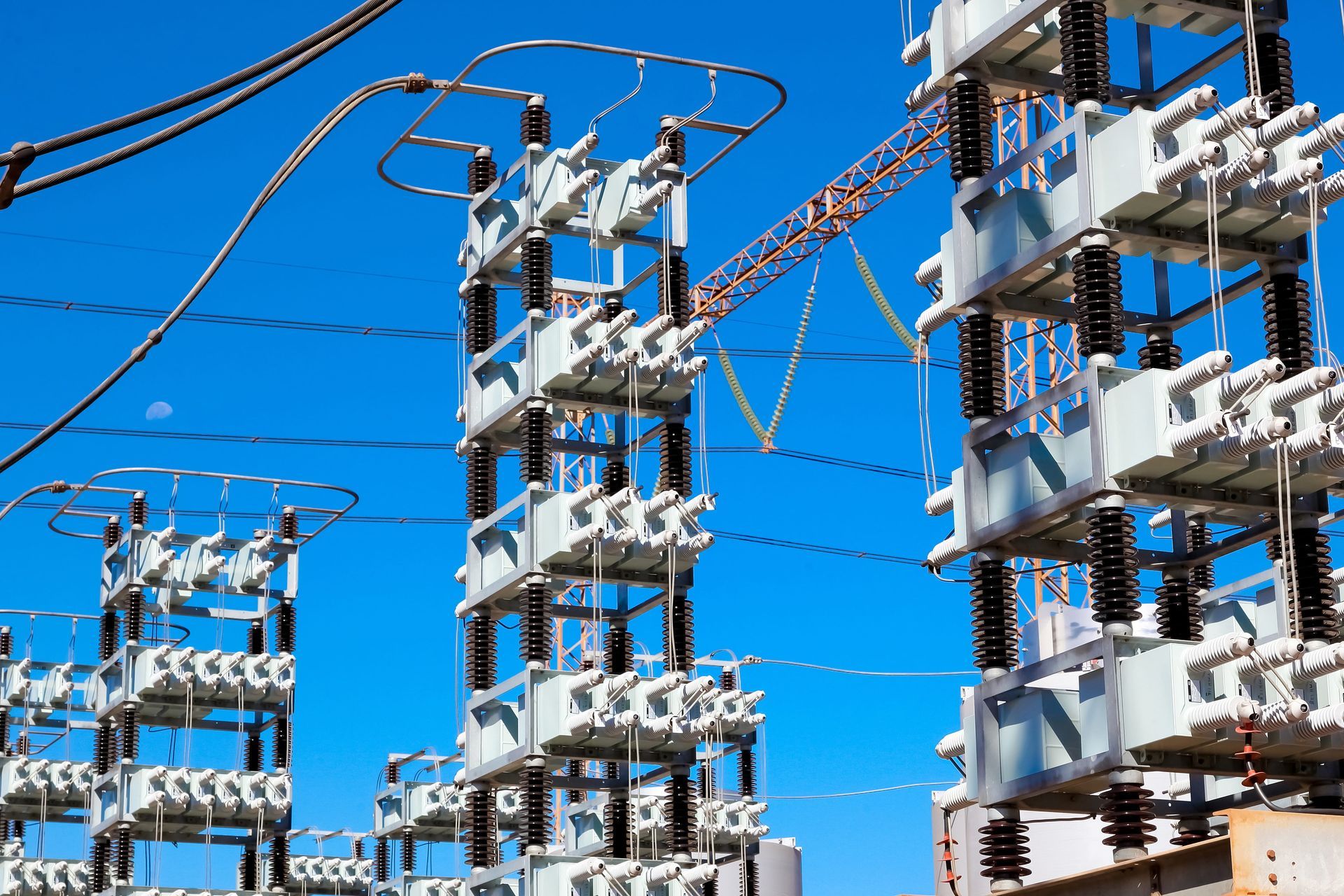
Tight installs, electrical gear placement, and substation work require fine control—not just raw lifting power.
Step 6: Align support services early
Rigging, hauling, staging, and jobsite coordination should be planned alongside the crane—not after it arrives.
When you run through all six steps, crane selection becomes less about equipment and more about execution strategy.
5. Why This Matters Even More on Energy, Industrial, and Substation Work
Nowhere do these details matter more than in environments where precision and timing are critical.
Solar fields, battery storage sites, transformer installs, and manufacturing expansions all share one thing in common: multiple trades working on tight schedules with limited room for error.
In those environments, a crane that is “technically sufficient” but inefficient can quietly become a bottleneck for every other crew on site.
That’s why more contractors are moving toward integrated support models—where lifting, rigging, hauling, and coordination are handled as part of one workflow instead of separate problems.
Because when everything is connected, delays shrink and jobsite friction drops.
Frequently Asked Questions
Why does crane capacity not tell the full story?
Because capacity is measured in ideal conditions. Real performance depends on radius, hydraulics, control response, and jobsite constraints.
What’s the most overlooked factor in crane performance?
Hydraulic system design. It directly impacts fuel efficiency, heat buildup, and how consistent the machine feels under load.
How does crane weight affect project efficiency?
Describe the item or answer the question so that site visitors who are interested get more information. You can emphasize this text with bullets, italics or bold, and add links.Why do control systems matter so much for precision work?
Because proportional control allows smooth, multi-axis movement, which is critical when placing loads in tight or sensitive environments.
Should contractors always choose the highest-capacity crane available?
No. Oversizing often increases cost and logistical complexity without improving real-world performance on the actual lift.
Request a Quote
Contact Veteran Crane Construction today to get a custom quote for your project.
Stay Ahead on Every Jobsite
Get updates on crane availability, project tips, and time-saving tools—straight to your inbox.
Contact Us
We will get back to you as soon as possible.
Please try again later.
SHARE THIS
Latest Posts