

What Happens Before an Industrial Crane Lift?
August 31, 2026

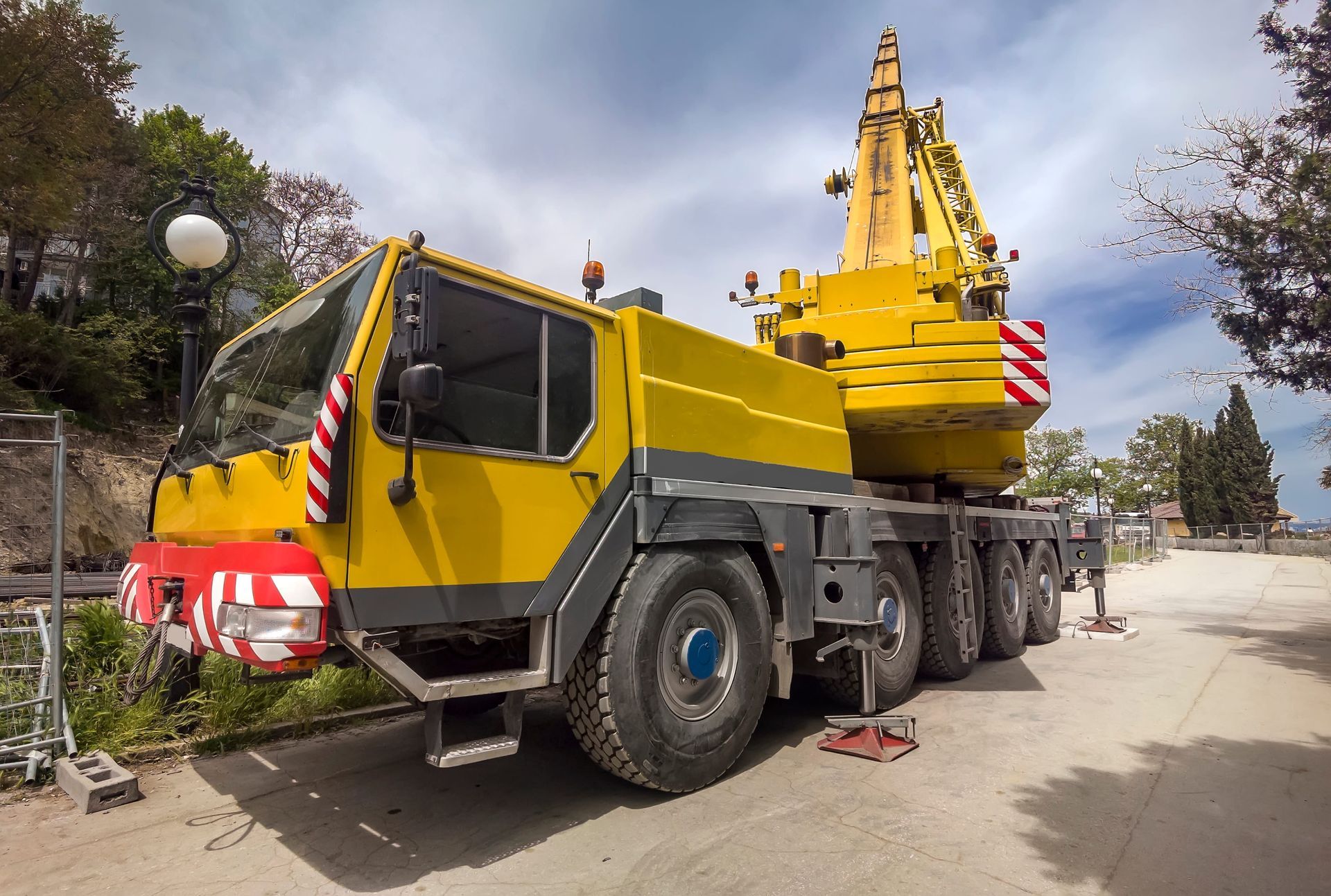
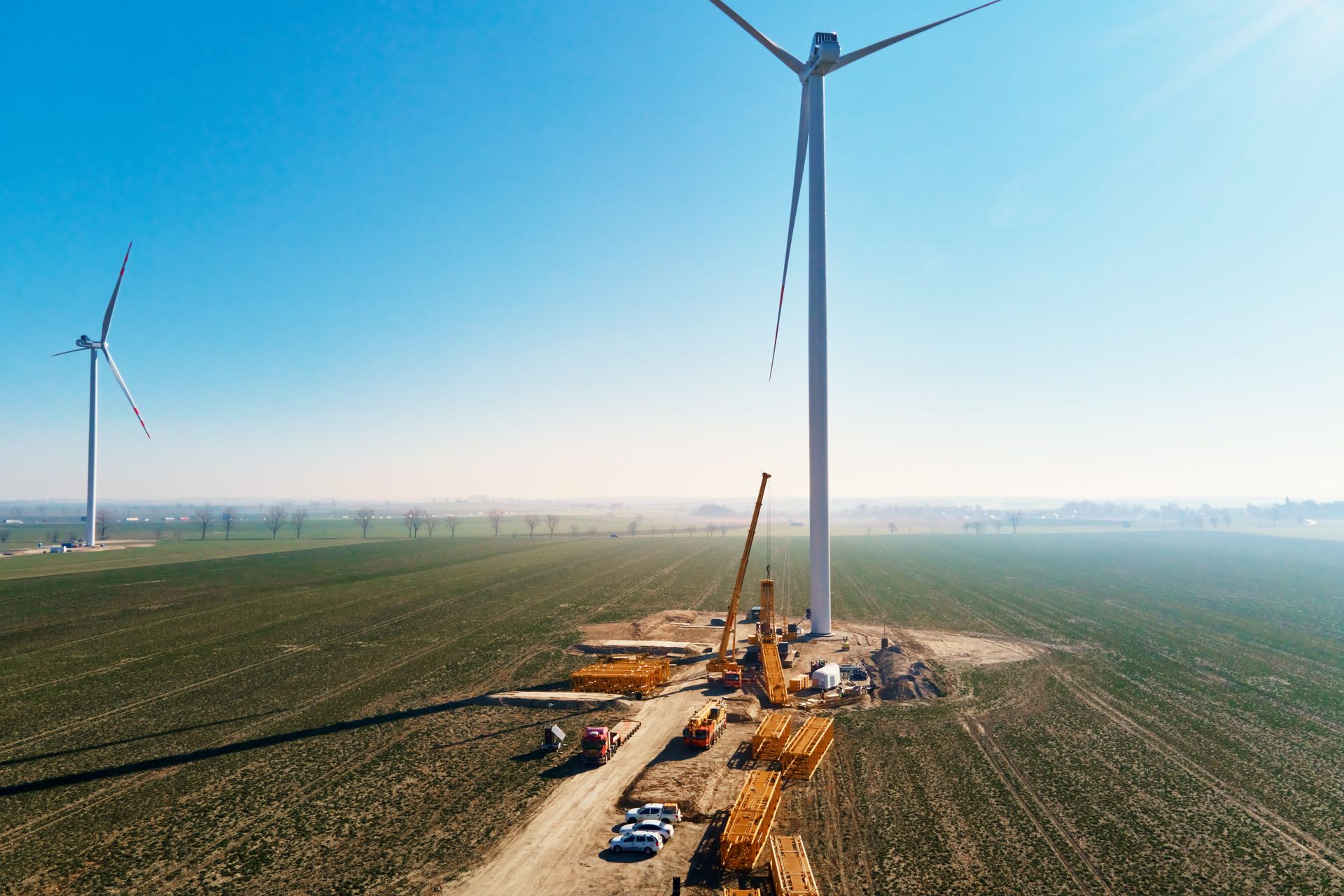
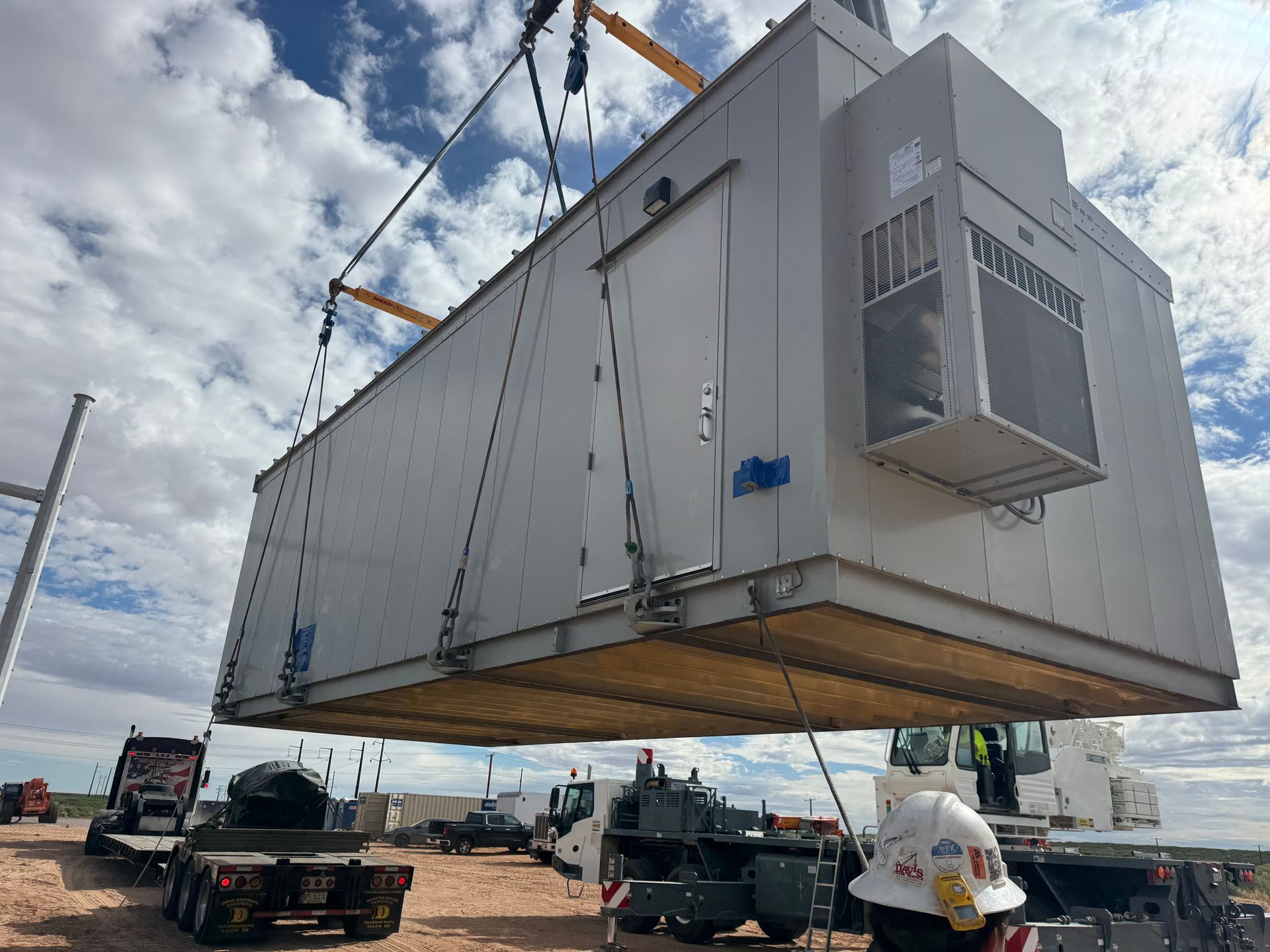
When you see a crane hoisting a multi-ton transformer or placing a battery enclosure at a BESS facility, you are witnessing the final five percent of the actual work. For complex industrial construction projects, success isn't decided when the load leaves the ground—it’s decided weeks, or even months, in advance during the planning phase.
At Veteran Crane Construction, we know that heavy lifting in renewable energy, electrical substations, and manufacturing requires absolute precision. Let’s look behind the scenes at the meticulous safety, logistics, and planning processes that take place long before the crane ever booms up.
The Critical Phase: Pre-Lift Planning
Industrial crane lifts carry high stakes. A single miscalculation can result in damaged equipment, delayed schedules, or catastrophic safety failures. Pre-lift planning ensures that every variable—from ground bearing pressure to wind speed limits—is accounted for before mobilization.

Step-by-Step: Preparing for the Lift
Executing a flawless industrial lift requires a systematic approach. Here are the primary steps our team takes before any heavy rigging operation.
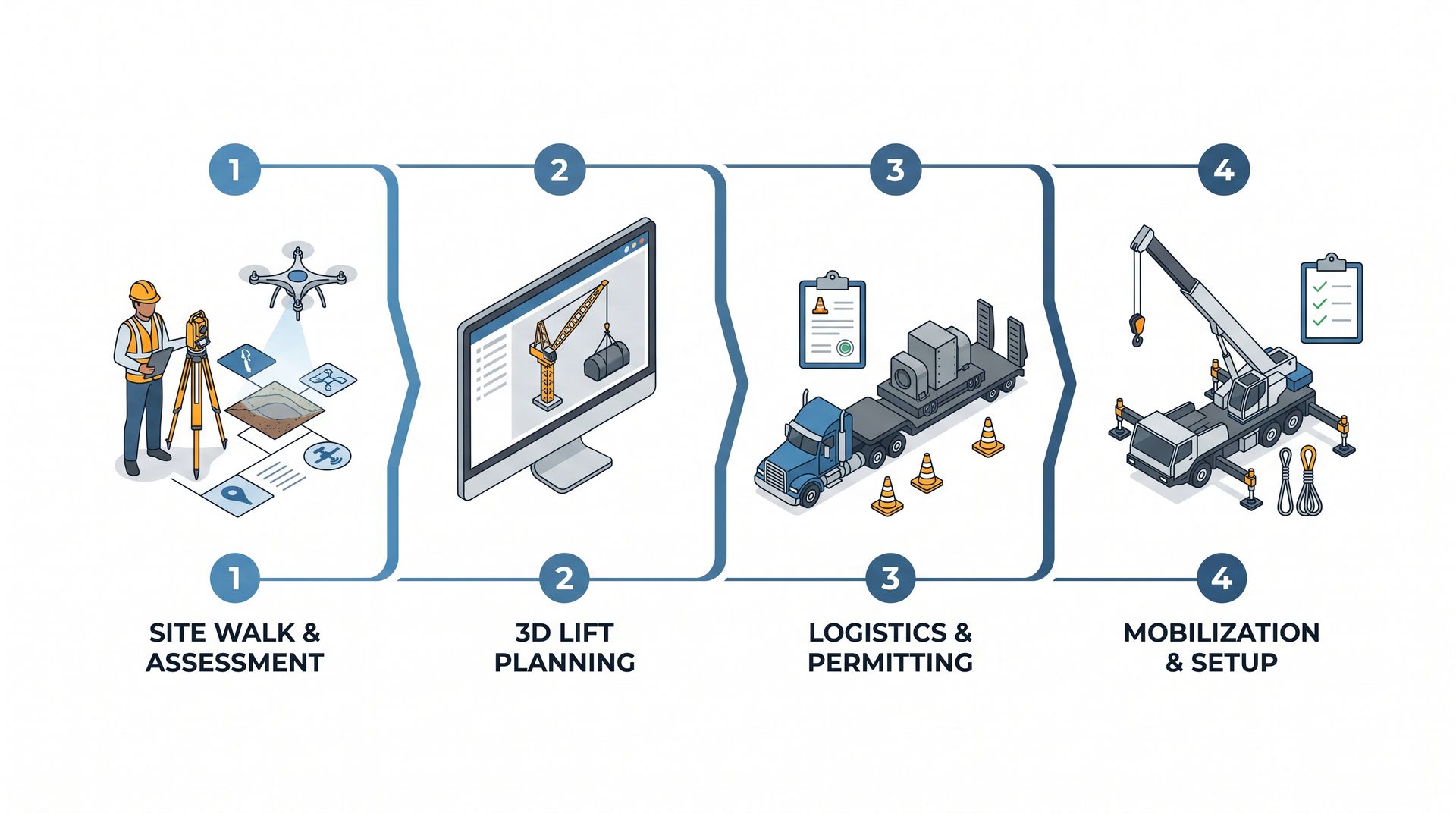
1. Comprehensive Site Assessment

Before equipment is selected, our team conducts a thorough site walk. We aren't just looking at where the load needs to go; we are evaluating the entire jobsite environment.
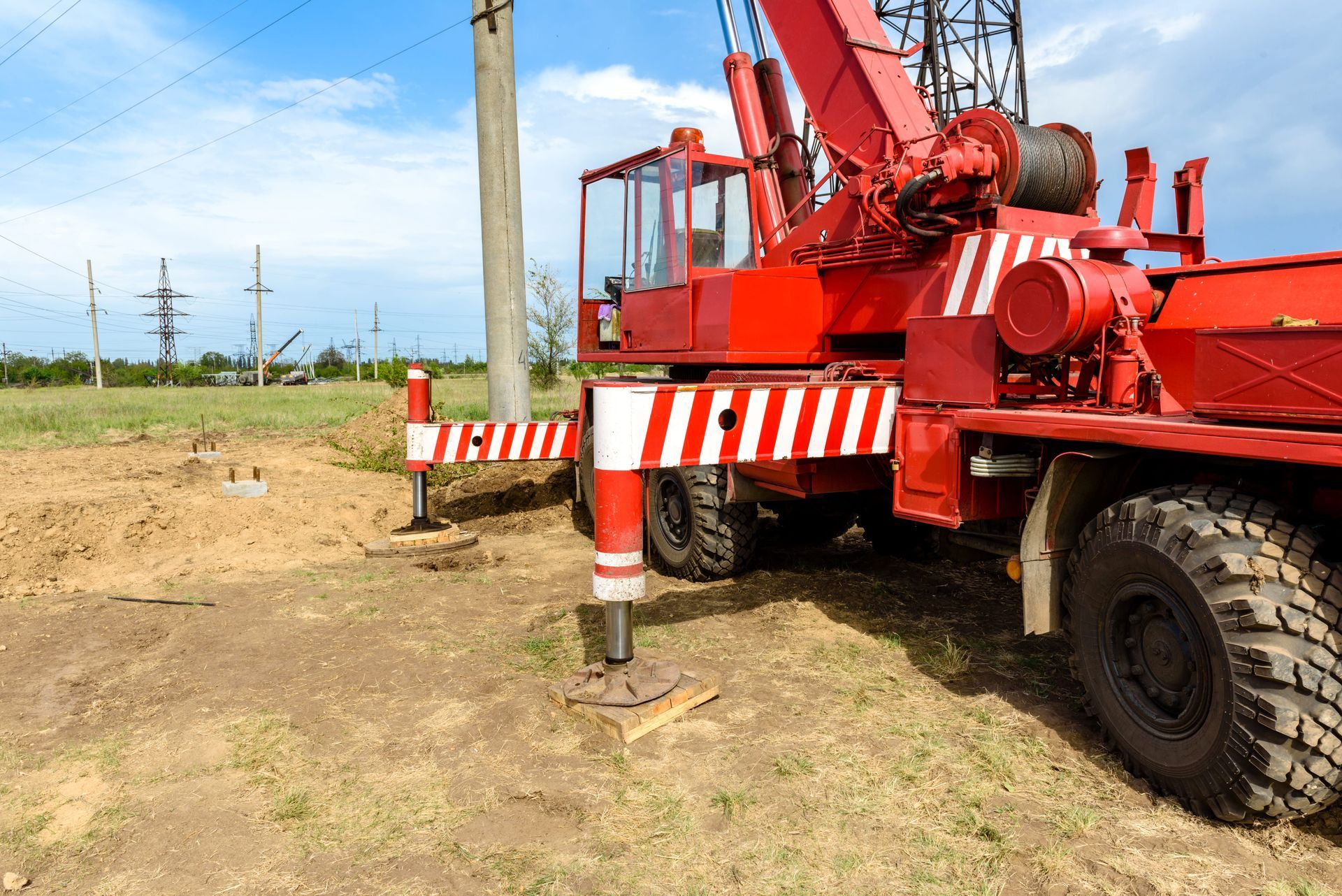
- Ground Conditions: Evaluating soil compaction, underground utilities, and the need for specialized crane mats.
- Overhead Obstructions: Identifying power lines, existing structures, and flight paths.
- Access Routes: Ensuring the delivery trucks, hauling trailers, and the crane itself have the turning radius and clearance to safely enter and exit the site.
2. Load Calculations and Rigging Selection
You cannot simply look at a load's manufacturing tag and choose a crane. A comprehensive load analysis includes:
- The exact dimensions and center of gravity of the load.
- The weight of the block, hook, and all rigging hardware (which counts against the crane's gross capacity).
- Dynamic forces, such as wind resistance on large surface-area loads like solar skids or BESS enclosures.
3. 3D Lift Planning and Crane Selection

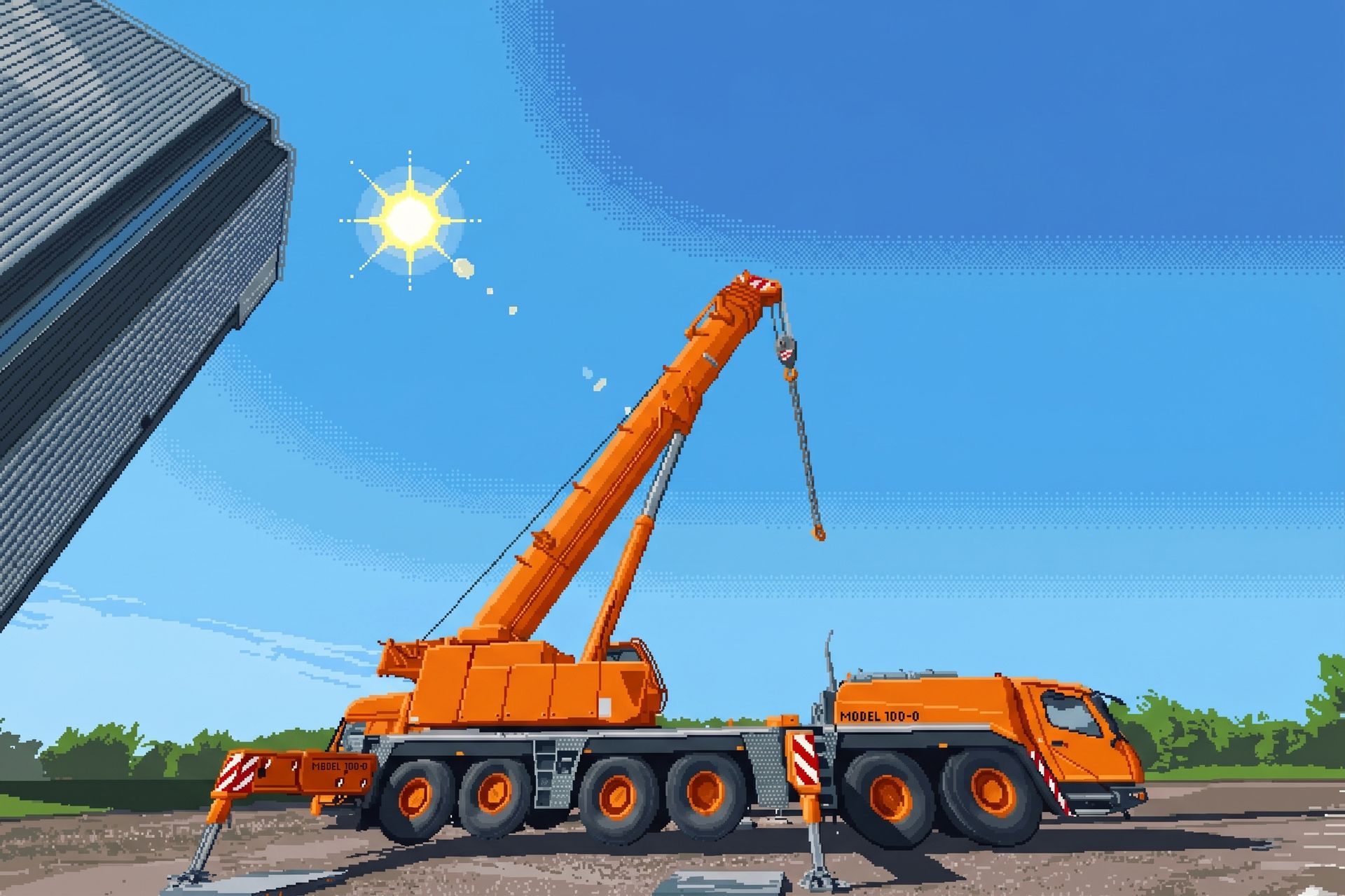
Once the data is gathered, we use specialized software to create a 3D lift plan. This allows us to digitally simulate the lift, taking the guesswork out of the operation.
By simulating the lift, we determine:
- The exact crane model required (crawler vs. all-terrain).
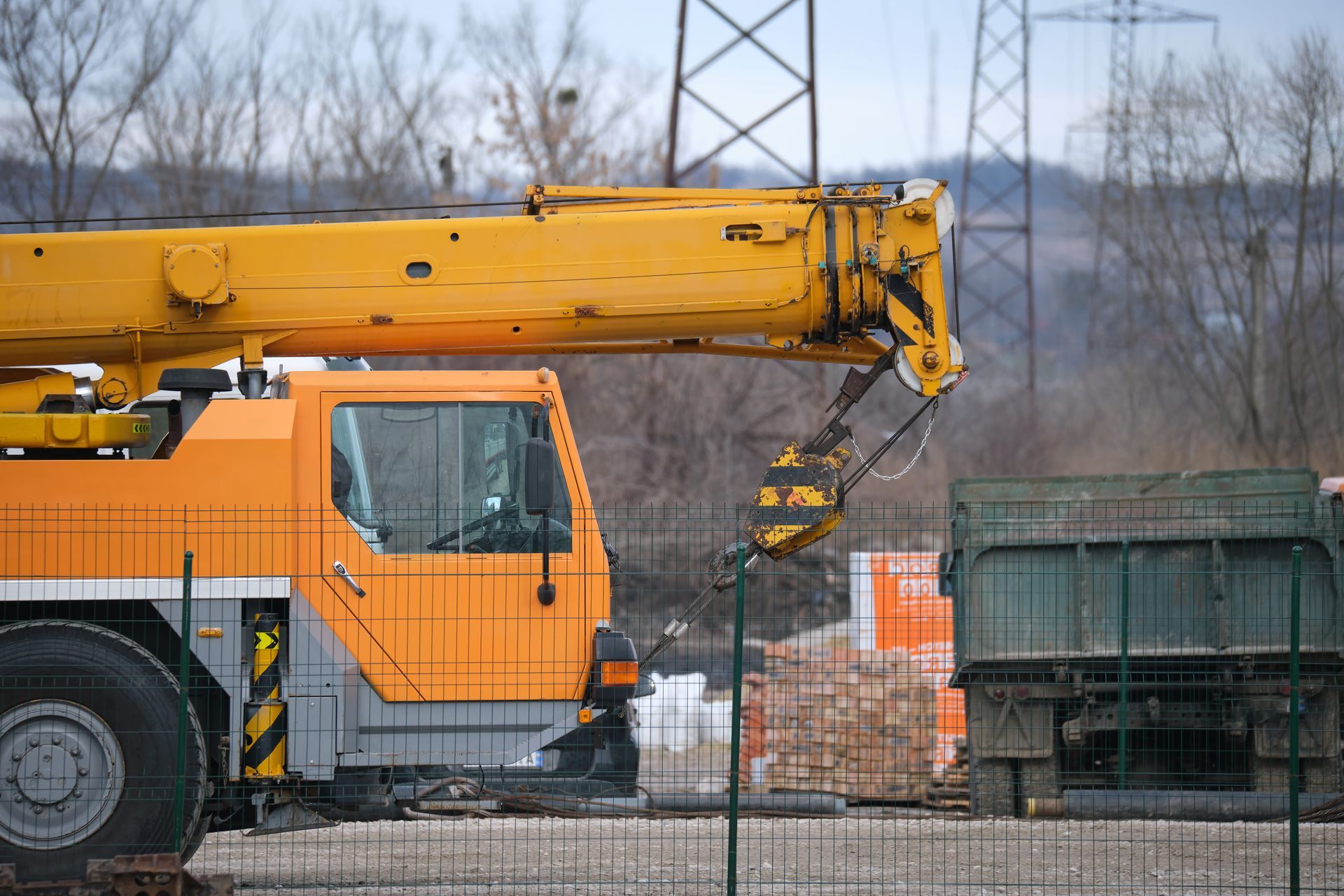
- The necessary boom length, jib configuration, and counterweight package.
- The maximum radius the crane will reach during the swing.
4. Coordinating Jobsite Logistics

A successful lift is a synchronized event. Veteran Crane provides full-service jobsite support, meaning we coordinate the arrival of the crane with the delivery of the components.
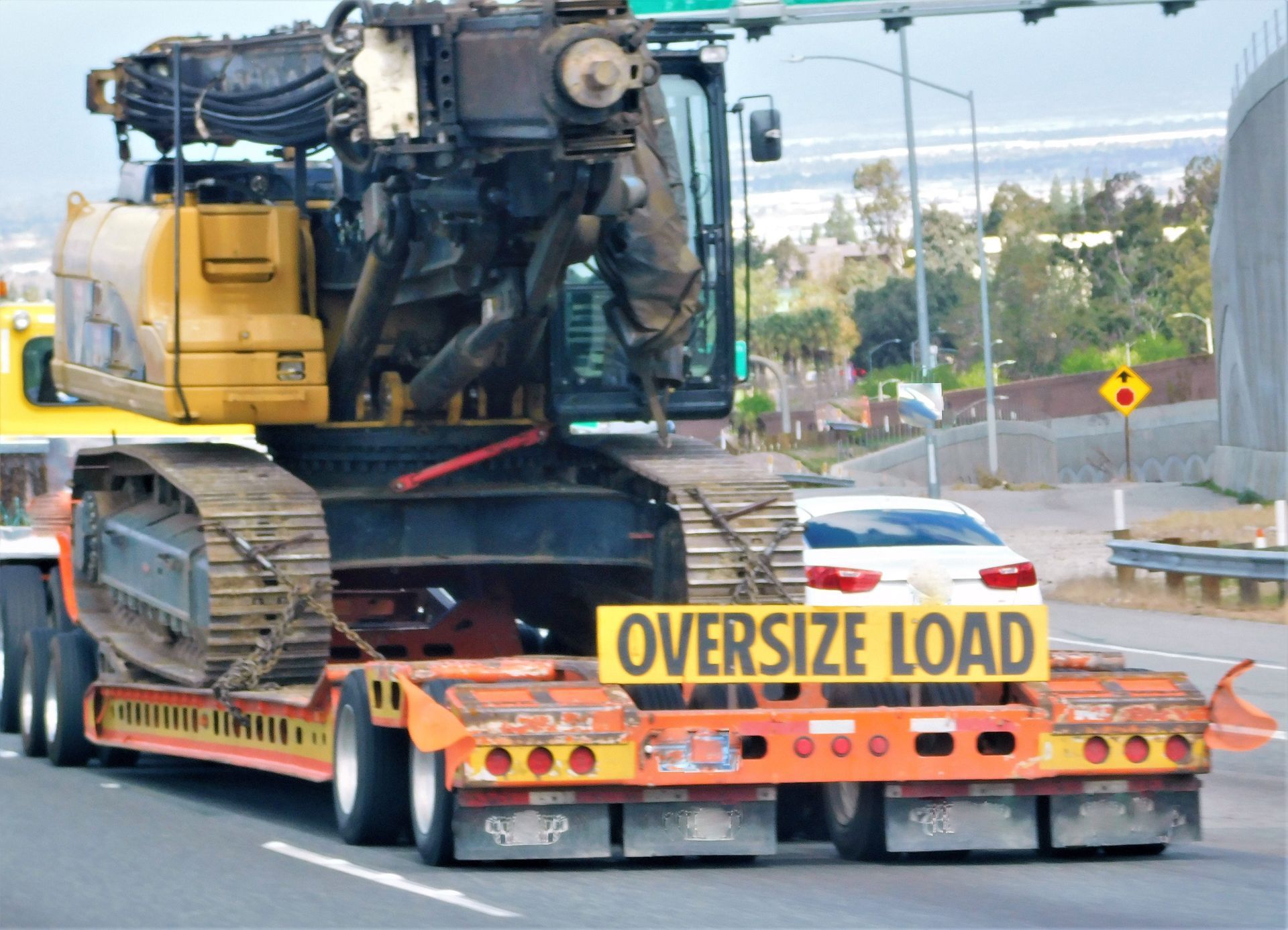
- Permitting & Traffic: Securing wide-load permits and coordinating road closures or police escorts if necessary.
- Support Equipment: Organizing telehandlers, manlifts, and light towers for early morning or late-night operations.
- Debris & Site Prep: Ensuring the landing zone is clear of trash, debris, and unnecessary personnel.
Pre-Lift Checklist Matrix
To give you an idea of the variables we track, here is an interactive look at the common factors evaluated during our planning phase:
| Category | Variables Evaluated | Potential Risks Mitigated |
|---|---|---|
| Environmental | Wind speed, weather forecasts, lightning risk | Load spinning, structural crane stress |
| Geotechnical | Soil type, underground voids, vault locations | Outrigger punching, crane tipping |
| Equipment | Radius, boom angle, rigging capacities, block weight | Overloading, equipment failure, rigging snaps |
| Logistical | Delivery sequencing, assembly area, traffic flow | Site bottlenecks, costly demurrage charges |
Why Meticulous Planning Matters
"Why does this matter?"
In industrial construction, time is money, but safety is everything. Rushing a lift or relying on "napkin math" leads to accidents, damaged million-dollar components, and massive project delays. Thorough pre-lift planning guarantees that when the day of the lift arrives, the execution is boring, predictable, and perfectly safe.
"Who does this benefit?"
- Project Managers & Superintendents: You get peace of mind knowing the schedule will be met without logistical bottlenecks.
- Facility Owners & Utilities: You minimize downtime and mitigate risk to your existing, highly valuable infrastructure.
- The Jobsite Crew: Every tradesperson on site gets to go home safely to their families at the end of the day.
At Veteran Crane Construction, we focus on solving problems, not just supplying equipment. Because at the end of the day, it's where handshakes and relationships matter.
Frequently Asked Questions
How far in advance should I schedule an industrial crane lift?
For complex lifts—such as setting transformers or placing modular BESS units—we recommend engaging us 3 to 4 weeks in advance. This allows ample time for site visits, engineering, 3D lift plans, and securing necessary state or local permits.
What is a 3D lift plan, and why is it necessary?
A 3D lift plan is a digital, engineered simulation of your specific lift. It inputs the crane’s load charts, the jobsite's exact dimensions, and the load's weight/size to visually prove that the crane can safely make the lift without exceeding capacity or striking obstructions.
Does Veteran Crane provide the rigging and the rigging crew?
Yes. We supply fully operated crane rentals along with qualified riggers and signal persons. We also provide the specialized rigging gear—such as spreader bars, synthetic slings, and shackles—required to execute the lift safely.
What happens if the ground at my site is unstable?
During our site assessment, we evaluate ground bearing pressure. If the soil is too soft or there are underground utilities to protect, we will supply and engineer a layout for crane mats (timber or steel) to safely distribute the outrigger loads.
Request a Quote
Contact Veteran Crane Construction today to get a custom quote for your project.
Stay Ahead on Every Jobsite
Get updates on crane availability, project tips, and time-saving tools—straight to your inbox.
Contact Us
We will get back to you as soon as possible.
Please try again later.
SHARE THIS