
How Fragmented Logistics Are Killing Your Industrial Construction Margins
November 3, 2026

Every estimator and project manager knows that securing a profitable bid is only the first step; keeping that profit margin intact during execution is the real challenge. In heavy industrial construction—whether you are building a solar field, setting a battery energy storage system (BESS), or upgrading a substation—the fastest way to bleed your budget is through poorly coordinated jobsite logistics.
When contractors attempt to cut costs by piecemealing their transportation, rigging, and crane operations to different lowest-bidder vendors, they inadvertently create fragmented logistics. This article explores the hidden costs of multi-vendor coordination and explains why an integrated, single-source logistics strategy is the most effective way to protect your project’s profitability.
What Are Fragmented Logistics in Construction?
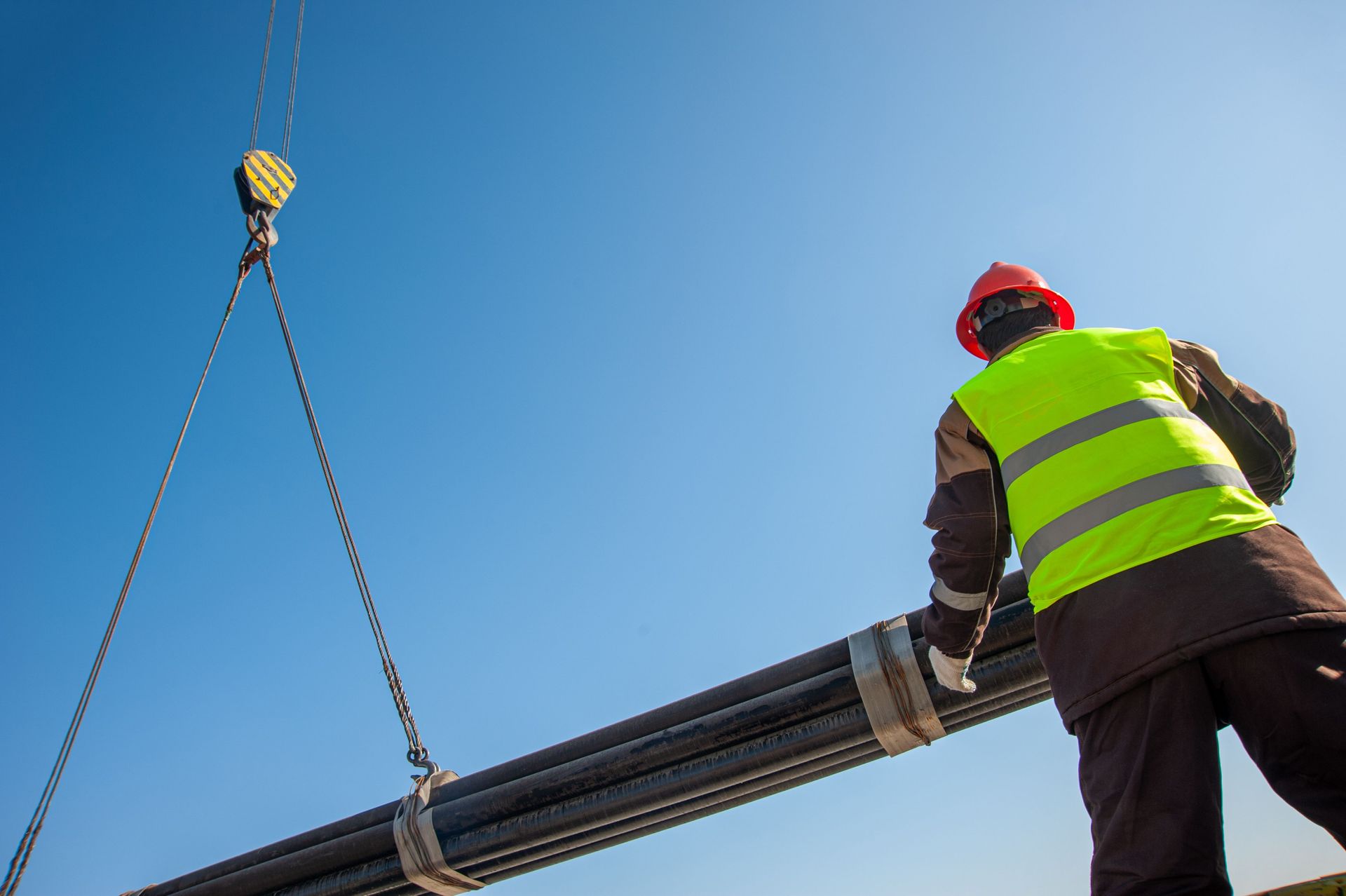
Fragmented logistics occur when a general contractor hires multiple, disconnected vendors to handle separate phases of material delivery, rigging, and lifting on a single jobsite. Instead of a unified workflow, the project manager is forced to act as a middleman between a trucking company, an independent rigging crew, and a bare crane rental outfit.
While this approach might look cheaper on a spreadsheet during the estimating phase, it completely ignores the operational realities of the jobsite. Heavy industrial lifts are dynamic events. Weather changes, ground conditions shift, and prior trades run behind schedule. When your logistics chain is fragmented, one minor delay causes a cascading failure across multiple subcontractors, instantly erasing any upfront savings.
The Hidden Costs of Multi-Vendor Coordination

The true cost of fragmented logistics rarely shows up on a single invoice. Instead, it bleeds out through schedule creep, administrative bloat, and disputed liabilities.
Schedule Creep and Expensive Standby Time
Standby time skyrockets when transportation and lifting schedules misalign, forcing highly paid crews and expensive equipment to sit idle.
For example, if your independent trucking company gets held up in traffic or delayed at the yard, your fully crewed crane and rigging team is left standing by on the clock. Conversely, if the trucking company arrives on time but the bare rental crane faces a mechanical delay, the trucking company will immediately begin charging demurrage fees. When vendors operate in silos, they lack the flexibility to adapt to real-time jobsite conditions, leading to continuous hourly budget drain.
Liability and The "Finger-Pointing" Game
When damage occurs during a multi-vendor material handover, liability becomes instantly disputed as the trucking dispatcher, the rigging foreman, and the crane operator blame one another.
If a transformer is damaged while being rigged off a lowboy trailer, who is at fault? The trucking company will claim the rigging was improper, the rigger will claim the load shifted during transit, and the crane operator will claim the ground conditions weren't prepped correctly. This finger-pointing game halts jobsite progress, initiates lengthy insurance investigations, and forces the general contractor to absorb the immediate cost of delays.
Administrative Overhead and Communication Breakdowns
Managing multiple subcontracts multiplies administrative overhead, heavily increasing the time your team spends on dispatching, invoicing, and safety compliance verification.
Instead of making one phone call to coordinate a critical lift, your project manager has to align the schedules of three different dispatchers. You also have to collect, verify, and track separate certificates of insurance (COIs), safety records, and lift plans from each entity. This administrative burden takes your leadership team away from their primary job: managing the actual construction.
How Single-Source Logistics Protect Your Margins
Single-source logistics protect construction margins by consolidating transportation, rigging, lifting, and full-service jobsite support under one unified contractor. This eliminates communication gaps, stops the finger-pointing, and drastically reduces standby delays.
By partnering with a comprehensive logistics provider like Veteran Crane, you shift the burden of coordination off your project managers and onto our execution team. The benefits of this approach include:
- Integrated Lift Planning: Transportation and lifting are engineered simultaneously. We ensure the trucks are loaded in the exact sequence required for the crane to pick and set the equipment efficiently upon arrival.
- One Point of Accountability: If a problem arises, you make one phone call. There is no shifting of blame. We take full ownership of the load from the moment it leaves the yard until it is safely set on the pad.
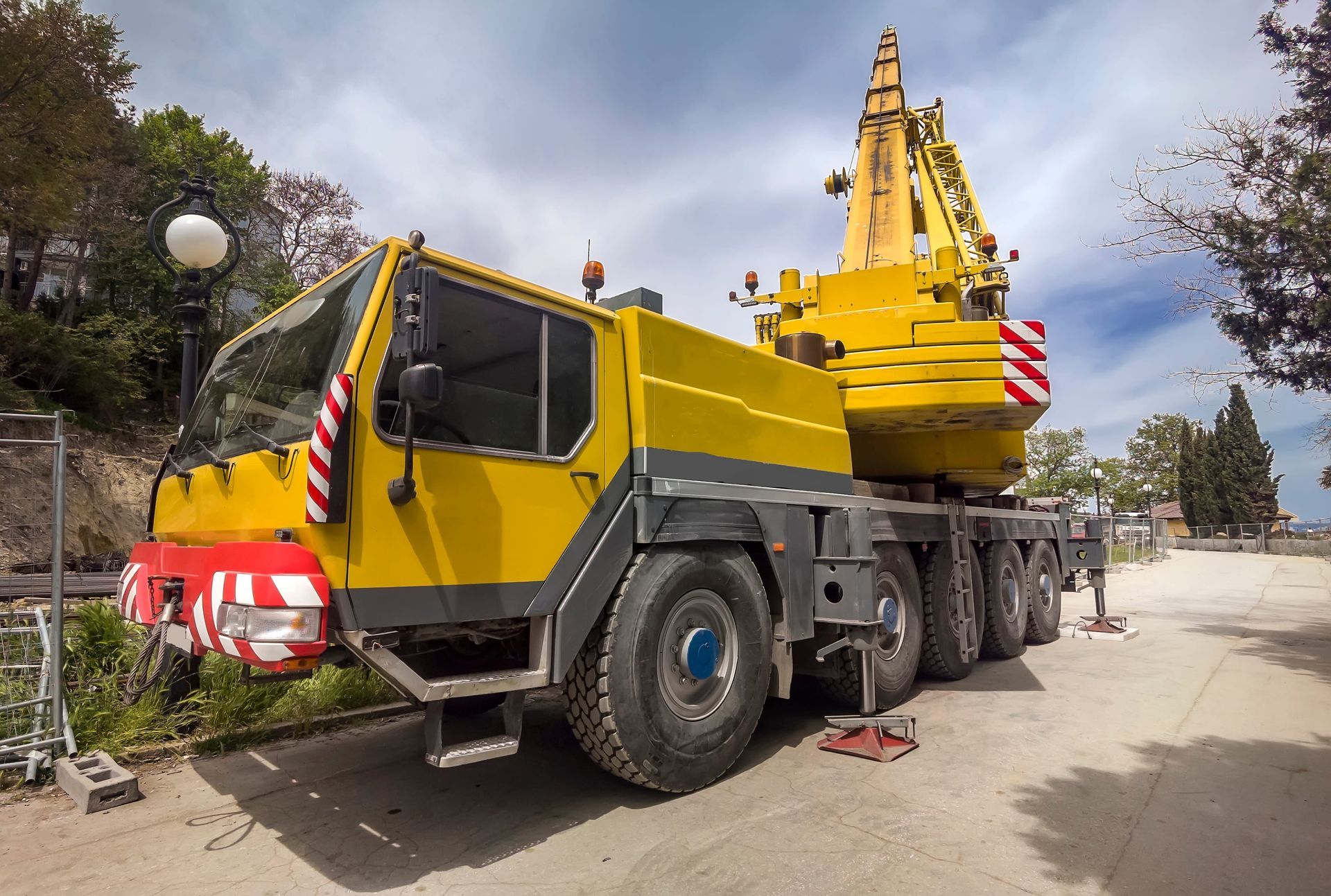
- Fluid Scheduling: Because we control the trucks, the rigging, and the [Insert internal link: operated crane rental], we can absorb minor schedule shifts without aggressively penalizing the general contractor with standby fees.
- Unified Safety Standards: A single team means a single, cohesive safety culture. Everyone on the lift has been trained to the same strict OSHA and ASME standards.
Case in Point: Renewable Energy and Substation Upgrades

The risks of fragmented logistics are amplified in high-stakes environments like BESS installations and electrical substation upgrades. These projects often feature incredibly tight outage windows, strict minimum approach distances (MAD), and zero margin for error.
When dealing with high-voltage infrastructure, you cannot afford to have uncoordinated teams trying to communicate on the fly. Relying on a single vendor who understands the specific nuances of heavy industrial and utility work ensures that the equipment arrives securely, the ground bearing pressure is accurately calculated, and the lift is executed flawlessly within the scheduled outage.
Stop Leaving Your Profits to Chance
Fragmented logistics might look like a cost-saving measure on paper, but on the jobsite, they are a massive liability. By consolidating your lifting, rigging, and hauling with a single, trusted partner, you protect your margins, reduce your administrative burden, and ensure your project stays on schedule. At Veteran Crane, we believe in solving problems, not just supplying equipment—because where we come from, handshakes and relationships matter.
Facing a tight outage window on your next substation or BESS project? Send us your load specs, and let’s discuss how our integrated crane and rigging team can streamline your execution. Contact us today for a project consultation.
Frequently Asked Questions
What are fragmented logistics in construction?
Fragmented logistics happen when a general contractor hires multiple, separate vendors for trucking, rigging, and crane operations on a single project. This approach often leads to poor communication, misaligned schedules, and increased project costs due to jobsite delays.
How do delays in transportation affect crane rental costs?
When transportation is delayed, fully crewed cranes and rigging teams are forced to wait on standby while still charging an hourly rate. Conversely, if a crane is not ready when a delivery truck arrives, the trucking company will charge expensive demurrage fees for the idle time.
Why is a single vendor better for crane and rigging services?
Using a single vendor for crane, rigging, and transportation provides one point of accountability and ensures seamless scheduling. It eliminates the liability disputes and finger-pointing that commonly occur when multiple subcontractors are involved in a single heavy lift.
What is full-service jobsite support in industrial construction?
Full-service jobsite support means a single contractor manages the end-to-end logistics of material handling, from trucking and hauling to qualified rigging and operated crane lifting. This comprehensive approach reduces administrative overhead and keeps complex projects running smoothly.
Request a Quote
Contact Veteran Crane Construction today to get a custom quote for your project.
Stay Ahead on Every Jobsite
Get updates on crane availability, project tips, and time-saving tools—straight to your inbox.
Contact Us
We will get back to you as soon as possible.
Please try again later.
SHARE THIS
Latest Posts