
Certified vs. Qualified Riggers: Understanding the Crucial OSHA Distinction


October 20, 2026

When executing a complex crane lift on an industrial jobsite, the terminology your contractor uses matters. You may hear phrases like "certified operator," "qualified rigger," and "competent person" thrown around interchangeably.


But according to the Occupational Safety and Health Administration (OSHA), these terms are not the same. In fact, misunderstanding the difference between a "certified" and a "qualified" rigger is one of the most common—and costly—points of confusion on modern construction sites.


Whether you are placing heavy electrical transformers or moving structural steel, hiring a company that doesn't understand this distinction puts your project, your budget, and your workers at risk.


Here is a breakdown of what these terms actually mean, when they are required, and why they matter for your bottom line.

How common is "Certified" vs. "Qualified"?

In the crane and rigging industry, "Qualified" is the legal standard mandated by OSHA for riggers. "Certified" is an independent credential.


Certified Operator: OSHA strictly requires that a crane operator must be certified by an accredited testing organization (like NCCCO) for the specific type of crane they run.


Qualified Rigger: OSHA does not explicitly mandate that a rigger be certified by a third party. Instead, OSHA 1926.1401 requires a rigger to be "Qualified."

What is a Qualified Rigger?

OSHA defines a qualified rigger as a person who possesses a recognized degree, certificate, or professional standing, OR who has extensive knowledge, training, and experience. They must successfully demonstrate the ability to solve problems related to rigging loads safely.


The Catch for Employers: OSHA leaves the final determination of who is "qualified" entirely up to the employer.


What to watch out for: If you hire a cut-rate crane company, they might designate an inexperienced worker as a "qualified rigger" simply to check a box on a form. If that rigger lacks the real-world ability to calculate sling angles or center of gravity, you are exposed to massive risk. Always ask your crane provider how they verify their riggers' qualifications.

Where can it come back to bite you if you don't do your research?

Failing to verify that the riggers on your site are genuinely qualified—and properly documented by their employer—can lead to severe consequences:


  • Catastrophic Accidents: If an unqualified rigger uses hardware beyond its Working Load Limit (WLL) or miscalculates a hitch configuration, the rigging can snap, dropping the load.


  • OSHA Citations & Fines: If OSHA inspects your site (or investigates an incident) and you only have the crane operator's certification file but no documentation proving the rigger is qualified, you have a compliance gap. Willful violations in 2026 can result in fines up to $161,323.


  • Project Delays & Liability: If a lift goes wrong or OSHA shuts down the site because an unqualified worker was assembling the crane or hooking the load, your timeline is ruined.

How much longer would it take if I went with the cheaper option?

When contractors opt for a cheaper, less experienced crane company to save money, they almost always pay for it in time.


An inexperienced "rigger" (who was hastily designated as qualified by a cheap employer) will struggle with load calculations, center of gravity estimations, and selecting the right hardware. This leads to:


  • Slow, hesitant lift execution.


  • The load tilting during the lift, requiring it to be set back down and re-rigged multiple times.


  • Damage to the materials being hoisted.


At Veteran Crane Construction, our qualified riggers arrive with the specialized gear, the 3D lift plans, and the extensive hands-on experience to execute complex, asymmetrical lifts correctly the first time. The few dollars you save on a cheaper hourly rate evaporate the moment a lift takes three hours instead of 45 minutes.

Why is it important to get a qualified rigger vs a certified one?

It’s not necessarily an "either/or" situation. The most reliable companies often provide riggers who are both.


A third-party certification (like NCCCO Rigger Level I or II) is an excellent way for an individual to prove their baseline knowledge of sling angles, load weights, and hardware inspection. Many project owners prefer this because it is easy to verify.


However, passing a written test (certification) does not automatically mean a person is ready to safely rig a 100,000-pound electrical transformer in the mud. OSHA requires the worker to be Qualified—meaning the employer has confirmed their real-world ability to solve site-specific problems and safely perform the exact task at hand.


When you partner with Veteran Crane, you get personnel whose qualifications are built on both rigorous training and deep field experience.

Don't Leave Your Jobsite to Chance

Having successfully executed over 360 specialized rigging projects nationwide between 2022 and 2026, Veteran Crane understands what true qualification looks like on the ground.


When you hire Veteran Crane for operated crane rental and qualified rigging, you are hiring a single vendor dedicated to safety, compliance, and efficiency.


Reach out to our project management team today to ensure your next critical lift is handled by proven professionals.

Frequently Asked Questions

  • What is the difference between a certified and a qualified rigger according to OSHA?

    According to OSHA, a "certified" rigger has passed a written and practical exam from a recognized third-party organization (like NCCCO). A "qualified" rigger is a worker whom the employer has evaluated and determined has the extensive knowledge, training, and experience necessary to safely resolve problems relating to specific rigging tasks. OSHA requires riggers to be qualified, but does not legally mandate them to be certified.

  • When does OSHA specifically require a qualified rigger on a jobsite?

    OSHA requires a qualified rigger to be present during three specific scenarios:


    1. During crane assembly and disassembly operations.
    2. Whenever workers are inside the fall zone hooking, unhooking, or guiding a load.
    3. During the initial connection of a load to a component or structure.
  • Are crane operators required to be certified, or just qualified?

    Unlike riggers, OSHA mandates that crane operators must be formally certified by an accredited testing organization (such as NCCCO) for the specific type and capacity of crane they are operating. They cannot simply be designated as "qualified" by their employer without holding a valid third-party certification.

  • How can I ensure the crane rental company I hire uses qualified riggers?

    Before starting a project, ask your crane rental company to provide their written qualification program. A reputable contractor will easily produce documentation showing how their riggers were evaluated, including records of practical testing, completed training programs, or third-party certifications that support their qualification status.

Request a Quote

Contact Veteran Crane Construction today to get a custom quote for your project.


Stay Ahead on Every Jobsite

Get updates on crane availability, project tips, and time-saving tools—straight to your inbox.

Contact Us

SHARE THIS

Latest Posts

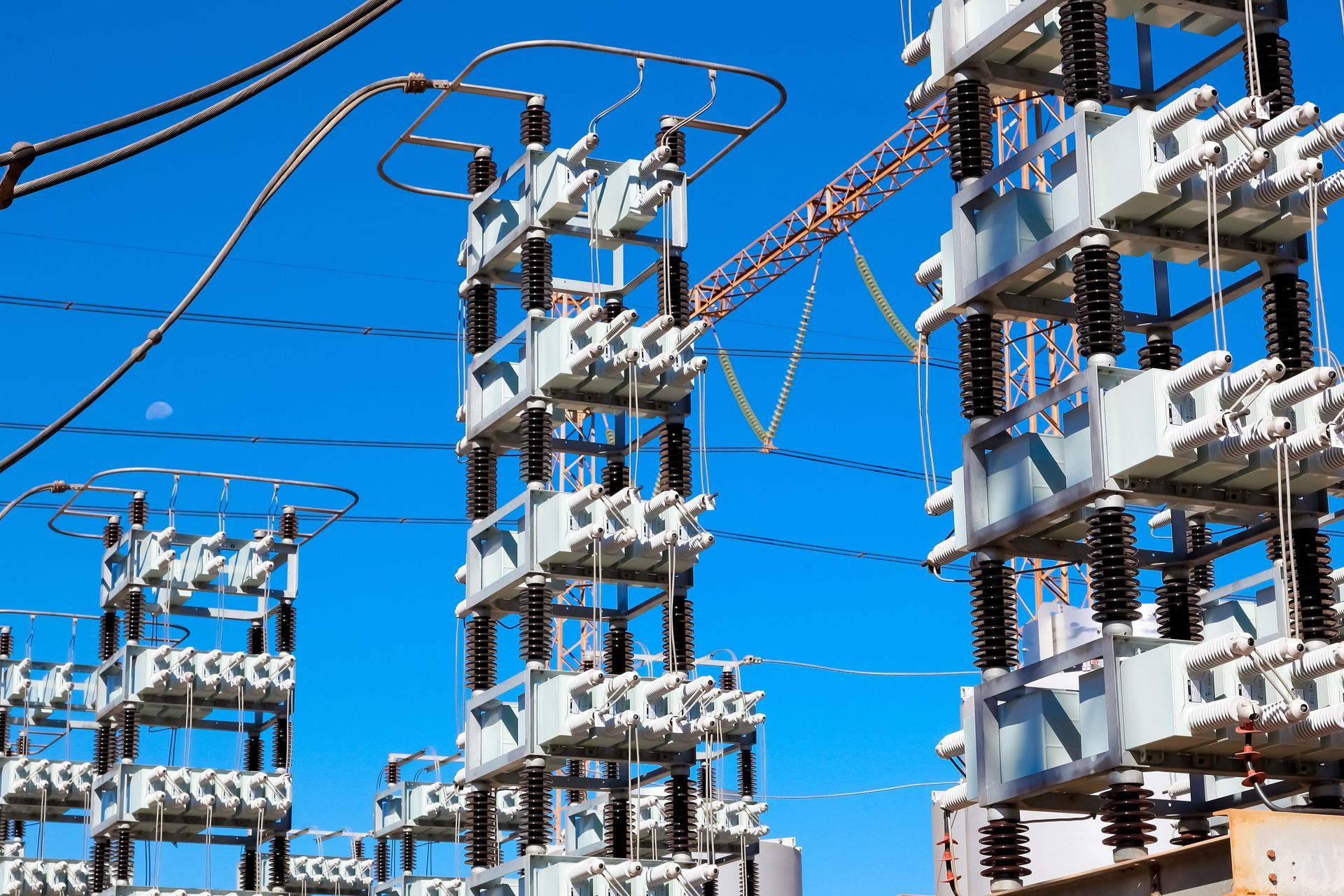
Electrical substation equipment and power lines against a clear blue sky
By Veteran Crane • October 2, 2026
When executing large transformer lifts, industrial contractors nationwide face two major risks: blown budgets and delayed outage windows. At Veteran Crane Construction , we solve both. Having successfully completed over 450 high-voltage substation and transformer projects across the country, we have proven that combining operated crane rental, specialized rigging, and heavy transport under one trusted vendor is the ultimate way to save time and money on your jobsite. Here is exactly how our pre-lift engineering and qualified riggers navigate complex center-of-gravity challenges to keep your project profitable and on schedule.

Chilean flag waving on a pole above buildings against a clear blue sky
By Veteran Crane • September 16, 2026
Discover why Texas energy contractors rely on Veteran Crane for integrated crane, rigging, and equipment rental solutions to reduce project delays.

California state flag waving against a clear blue sky
By Veteran Crane • September 4, 2026
Discover how Veteran Crane supports California's solar and BESS projects with integrated crane, rigging, and equipment rental solutions.

Yellow crane truck parked on a paved road, with folded boom and red-white safety markings.
By Veteran Crane • August 31, 2026
Discover the critical steps required before an industrial crane lift. Learn how site assessments, 3D lift planning, and rigging ensure safe, efficient execution.
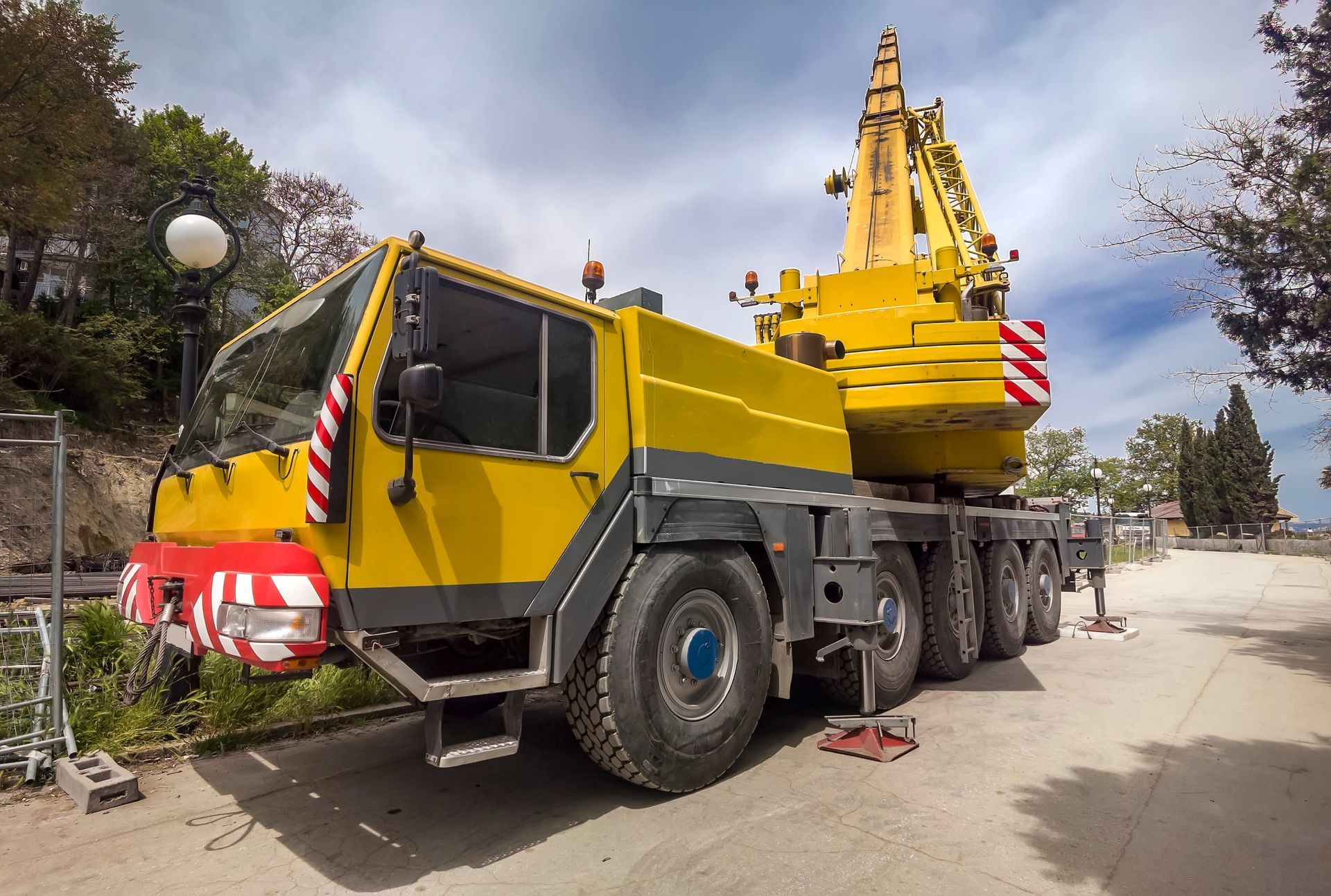
Yellow crane truck parked on a road, with trees and buildings in the background.
By Veteran Crane • August 20, 2026
Learn how Veteran Crane’s single-vendor management, software tracking, and turnkey logistics cut downtime and save money on industrial projects.
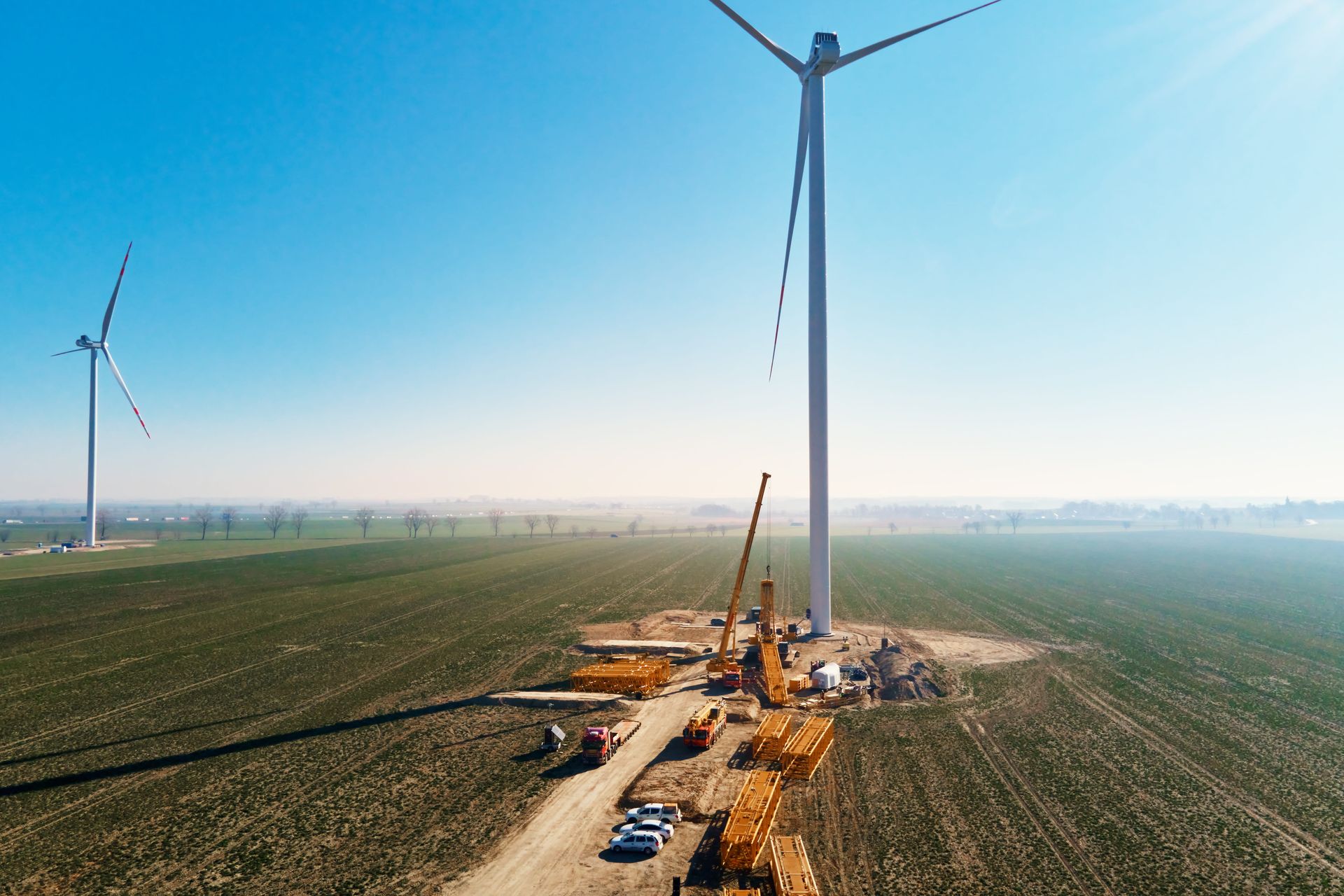
Wind turbines under construction in a flat green field under a clear blue sky.
By Veteran Crane • July 31, 2026
Renewable energy projects require more than equipment. Discover how Veteran Crane helps teams coordinate complex solar, battery storage, and industrial projects.
Veteran Crane Construction logo with Lift Office text on a red background
By Veteran Crane • July 23, 2026
Veteran Crane uses Lift Office to streamline operations and increase profit.
Yellow crane loading debris beside an orange truck near a green dumpster in a fenced industrial area
By Veteran Crane • July 19, 2026
Most crane specs only show capacity—but real performance depends on steel, hydraulics, and control systems. Learn what contractors often miss.
Red crane truck with striped outriggers parked on dirt near utility poles under a blue sky
June 30, 2026
Managing multiple vendors on a jobsite causes delays and headaches. Learn why contractors choose Veteran Crane's full-service support to keep projects on track.
Large modular building section being lifted by cranes onto transport trailers in an industrial yard
By Veteran Crane • June 8, 2026
Veteran Crane Construction safely completed the installation of a critical substation E-house in New Mexico through expert planning, rigging, and lift execution.
Show More